

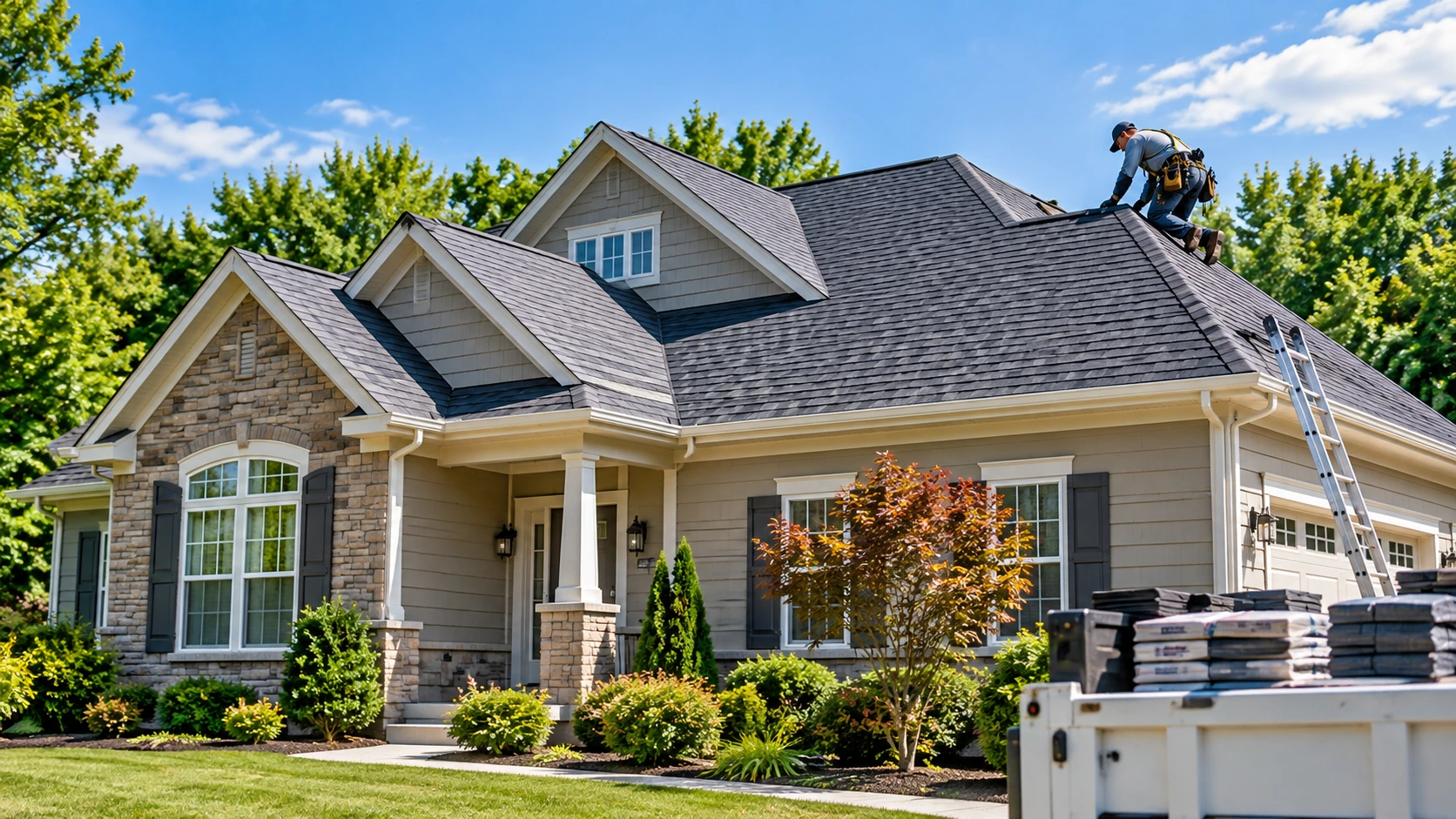
If you’re trying to budget for a roof replacement, one of the first questions is simple: How much does a new roof cost in North Carolina?
For 2026, a reasonable starting point for many North Carolina homeowners is roughly $8,000 to $24,000, although smaller, straightforward asphalt shingle projects may cost less and large, steep, complex, or premium-material roofs can cost considerably more. One statewide 2026 estimator places the North Carolina range at $8,025 to $23,600, with an estimated average of $14,150.
That range is useful for early budgeting, but it isn’t a substitute for an inspection and written estimate. Roof size, pitch, material, tear-off requirements, decking condition, flashing, ventilation, accessibility, and labor can all change the final price.
If your existing roof is nearing the end of its useful life or showing widespread deterioration, reviewing your roof replacement options is a more useful next step than relying on a statewide average alone.
What Should You Budget for a New Roof in North Carolina?
Roof replacement pricing varies enough that a single statewide “average” can be misleading.
Current 2026 sources illustrate the difference. A statewide cost model estimates North Carolina roof replacement at $8,025 to $23,600. Angi’s Charlotte data reports an average of $8,954, with many projects falling between $5,949 and $12,204. A Charlotte roofing contractor places many asphalt shingle replacements on single-family homes between roughly $9,000 and $20,000.
These numbers are not necessarily contradictory. They may reflect different roof sizes, materials, home styles, labor assumptions, and project scopes.
A useful planning range
For early planning, it makes more sense to think in broad categories:
| Project Situation | General Budget Expectation |
|---|---|
| Smaller, simple asphalt shingle roof | Lower portion of the range |
| Typical architectural shingle replacement | Often a five-figure project |
| Large or steep roof with complex geometry | Higher than a simple roof of similar area |
| Significant decking or structural repairs | Additional cost beyond standard replacement |
| Metal or other higher-cost roofing system | Often substantially more than standard asphalt |
These are planning categories rather than quotes. An actual estimate requires roof measurements and an assessment of existing conditions.
Why the final number can change after inspection
A roof may look straightforward from the ground but reveal additional work once inspected.
For example, a contractor may discover deteriorated decking beneath the existing shingles, damaged flashing around a chimney, poor ventilation, or multiple roofing layers that must be removed. Those conditions affect labor, disposal, materials, and installation time.
A professional roof inspection can help identify those issues before you make a replacement decision.
Roof Size Matters More Than Your Home’s Floor Area
Homeowners often estimate roof cost using the square footage listed for the house. That can lead to an inaccurate budget.
Roofing contractors price the actual roof surface, not simply the conditioned floor area inside the home.
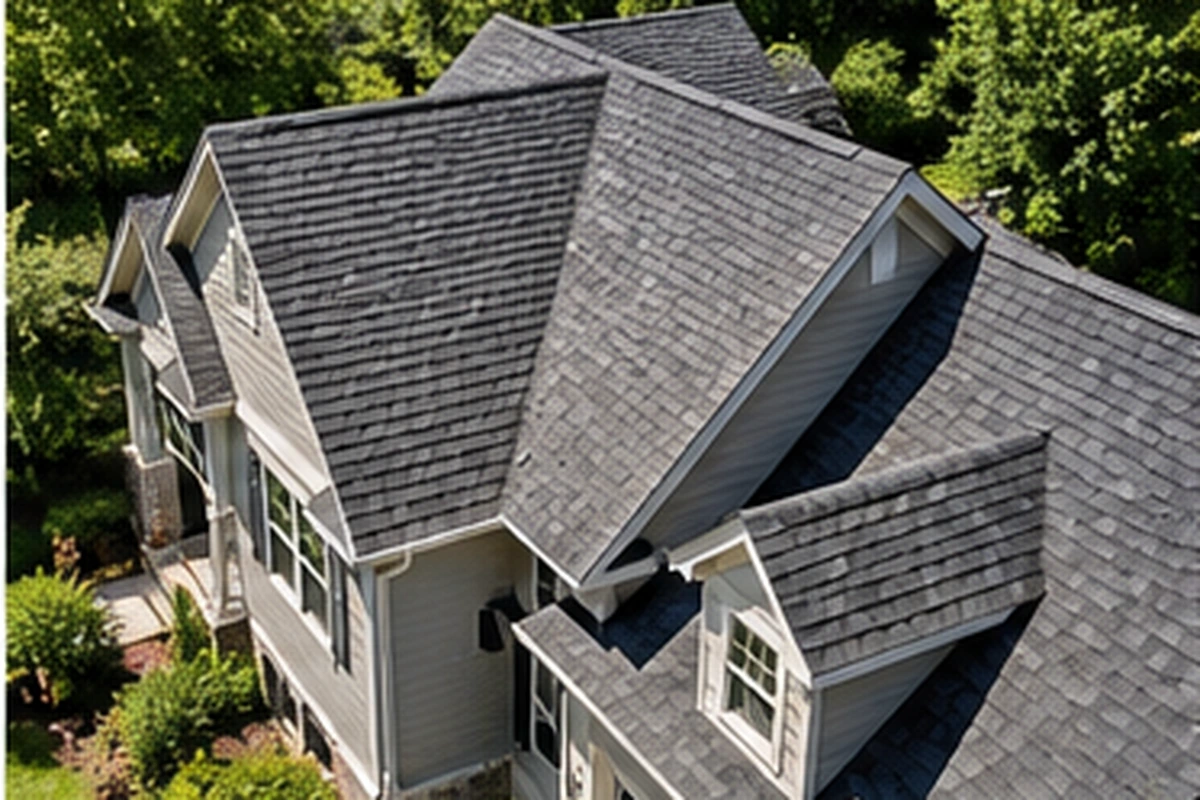
Roofing square footage is different from house square footage
A 2,000-square-foot home does not automatically have a 2,000-square-foot roof.
Roof area changes with:
- Roof pitch
- Overhangs
- Garage sections
- Porches
- Dormers
- Valleys
- Additions
- Multiple roof levels
- Architectural complexity
A steep roof can have considerably more surface area than the footprint of the house underneath it.
What is a roofing square?
Roofing professionals commonly measure roofs in “squares.”
One roofing square equals 100 square feet of roof surface.
That measurement helps contractors calculate shingles, underlayment, flashing, fasteners, waste allowances, and other materials required for the project.
For that reason, two homes with similar interior square footage can receive very different roof replacement estimates.
Material Choice Can Change the Budget Quickly
Roofing material is another major cost variable.
Asphalt shingles remain one of the more economical residential roofing choices, while metal and specialty roofing products generally carry higher initial costs.
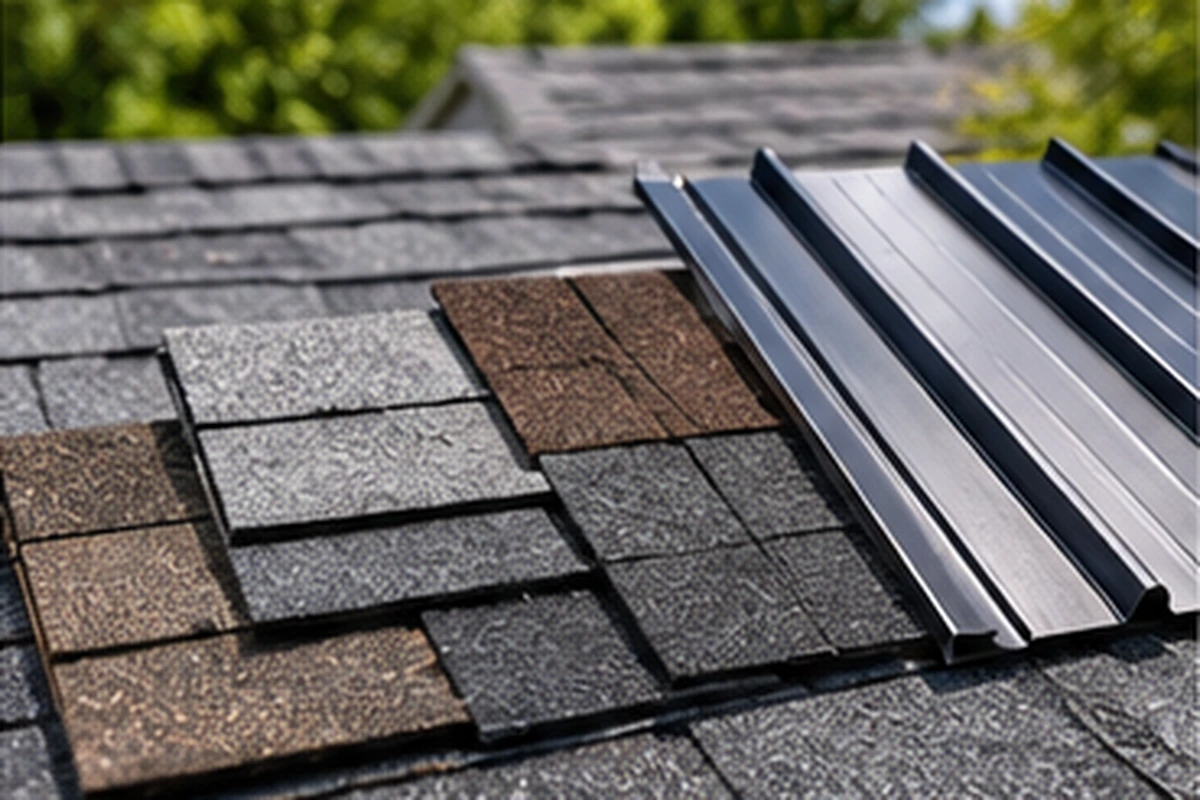
Asphalt shingles
Asphalt shingles are commonly chosen because they provide a practical balance of initial cost, appearance, product availability, and installation familiarity.
Angi’s 2026 Charlotte data places installed roofing costs broadly between $4 and $11 per square foot across roofing options and identifies asphalt as one of the lower-cost choices in that market.
Within asphalt roofing itself, pricing can change depending on product line, shingle construction, warranty options, accessories, and installation requirements.
Architectural and designer shingles
Architectural shingles generally cost more than basic entry-level shingles but provide a heavier, more dimensional profile.
Designer shingles can move the project further up the price range. Homeowners considering these products should compare more than appearance alone. Product specifications, warranty requirements, ventilation, installation standards, and long-term plans for the home also matter.
Metal roofing
Metal roofing generally requires a larger initial investment.
Current Charlotte and Raleigh cost data show standing-seam metal pricing can be considerably higher than asphalt shingles for a comparable roof area.
That does not automatically make one material better than another. The appropriate choice depends on your budget, home design, expected ownership period, maintenance preferences, and roofing goals.
A contractor providing complete roofing services should be able to explain the differences without treating the most expensive product as the automatic choice.
What Is Usually Included in a Roof Replacement Estimate?
The shingle price is only one part of a complete roof replacement.
A properly prepared estimate should make the scope understandable enough that you can compare contractors without guessing what is included.
Removal and disposal
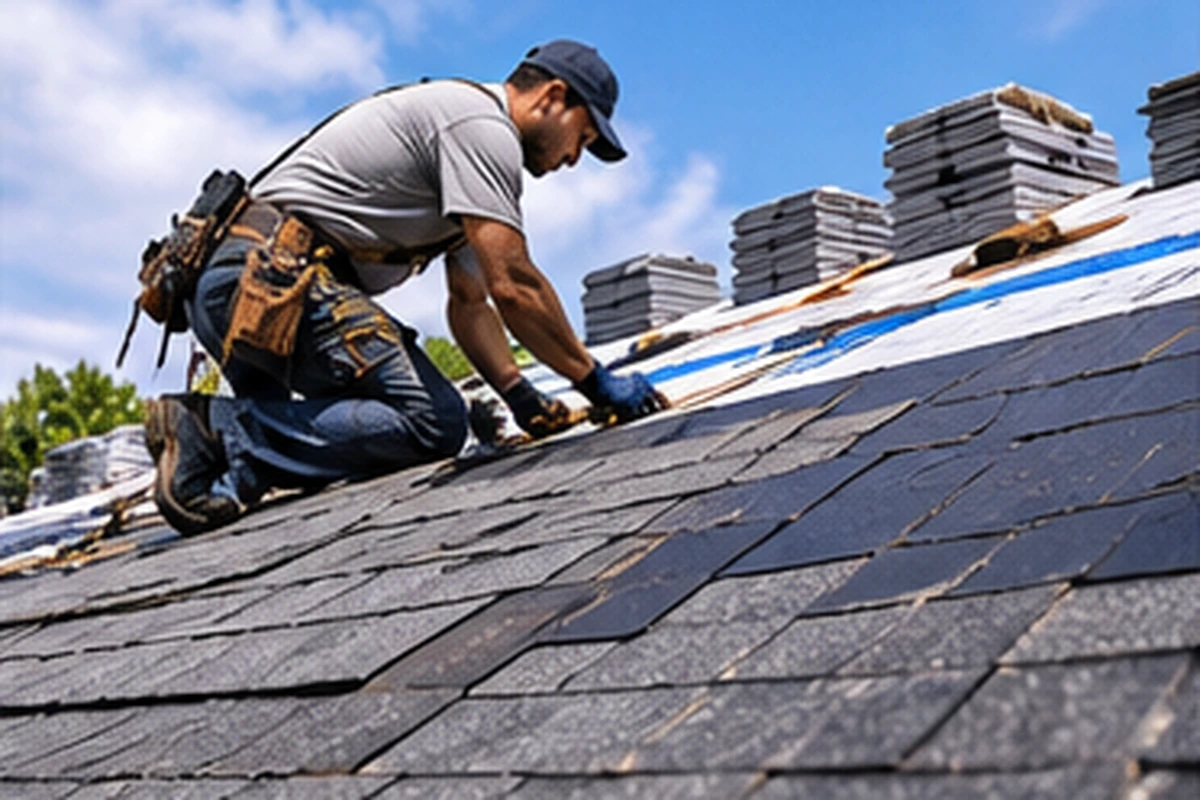
When the existing roofing system needs to be removed, the estimate may account for:
- Tear-off labor
- Debris handling
- Disposal
- Site protection
- Cleanup
- Magnetic nail collection
Multiple existing roof layers or difficult access can increase the labor involved.
Roof deck evaluation
Once old roofing is removed, the roof deck becomes visible.
Soft, deteriorated, damaged, or unsuitable decking may require replacement before the new roofing system can be installed.
Since hidden decking damage cannot always be confirmed before tear-off, ask how additional decking is priced if it becomes necessary.
Underlayment, flashing and water protection
A roof is a system rather than a layer of shingles.
The estimate should clarify what is being installed beneath and around the finished roofing material, including applicable underlayment, flashing, penetrations, valleys, drip edge, and other water-management components.
Ventilation
Attic and roof ventilation can affect moisture management and roof performance.
If ventilation changes are part of the project, the contractor should explain why the change is being recommended and whether it affects other parts of the roofing system.
Seven Conditions That Can Push the Price Higher
Roof size and material get most of the attention, but several less obvious conditions can have a major effect on the final estimate.
1. A steep roof
Steeper roofs can require additional safety equipment, setup time, and labor.
The difficulty of moving materials and working safely increases as roof pitch increases.
2. Complex roof geometry
A simple gable roof is generally easier to work on than a roof with numerous valleys, hips, dormers, intersecting sections, skylights, or multiple levels.
More detail usually means more cutting, flashing, waste, and labor.
3. Difficult property access
Material delivery and debris removal are easier when crews can work close to the house.
Narrow driveways, extensive landscaping, fences, limited staging space, or other access restrictions can complicate the project.
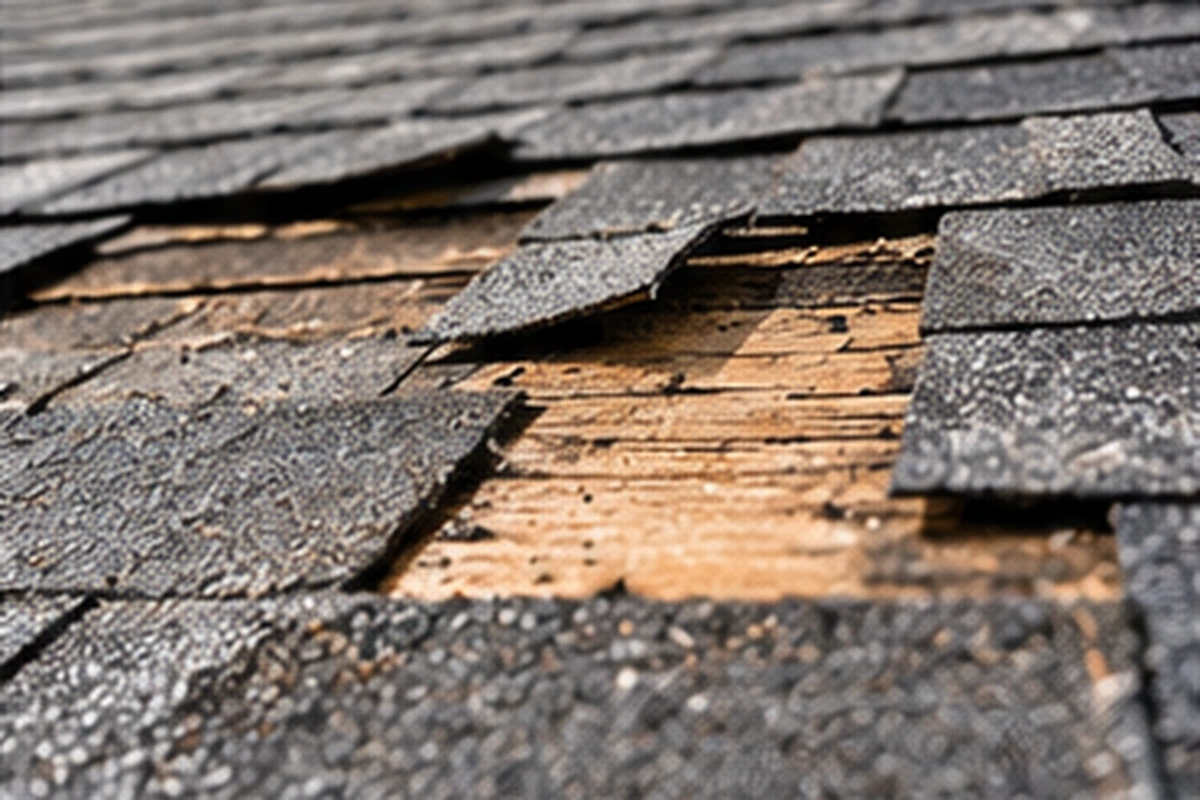
4. Damaged roof decking
Decking repair is one of the common reasons a final roof replacement cost can exceed an early visual estimate.
Water intrusion that remained unnoticed beneath the shingles may not become fully visible until tear-off.
5. Chimneys, skylights and penetrations
Each opening through the roof requires careful water management.
Complex flashing work can increase material and labor requirements.
6. Multiple existing layers
Removing more than one layer of old roofing can create additional labor and disposal costs.
Your contractor should identify known layers before the project whenever possible.
7. Structural or related repairs
Some homes need more than new roofing material.
If an inspection reveals structural deterioration, fascia damage, widespread water intrusion, or another significant issue, that work may need to be addressed separately.
When damage appears localized rather than widespread, it may be worth comparing replacement with professional roof repair services before committing to a full replacement.
Is Roof Repair More Practical Than Replacement?
Not every roof problem requires a new roof.
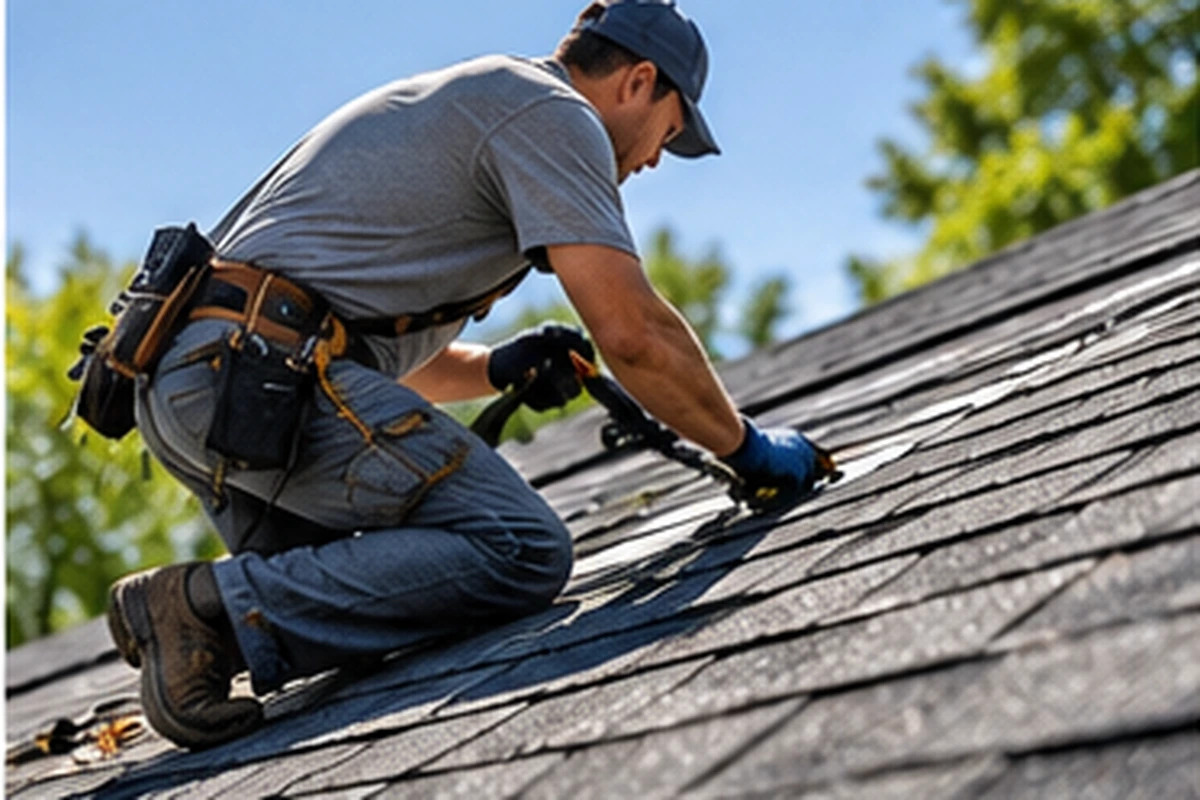
A repair may make sense when the roofing system is otherwise serviceable and the problem is limited to a specific area.
Replacement becomes more reasonable when problems are widespread, recurring, or connected to an aging roof system.
Situations where repair may deserve consideration
Repair could be appropriate when there is:
- Limited shingle damage
- A localized leak
- Isolated flashing failure
- Damage restricted to a small roof section
- A relatively young roof with otherwise sound materials
Situations where replacement may make more sense
A replacement assessment may be appropriate when you see:
- Widespread shingle deterioration
- Repeated leaks in different areas
- Extensive storm damage
- Significant granule loss
- Multiple previous repairs
- Large areas of damaged decking
- Roofing material approaching the end of its expected service period
The existing guide on recognizing when it may be time to replace your roof can help homeowners distinguish isolated problems from broader roof deterioration.
The important point is not to assume that the cheaper immediate option is always the less expensive long-term decision. A small repair on an otherwise healthy roof can be sensible. Repeatedly repairing a failing roofing system can become a different calculation.
North Carolina Weather Can Affect the Scope of the Project
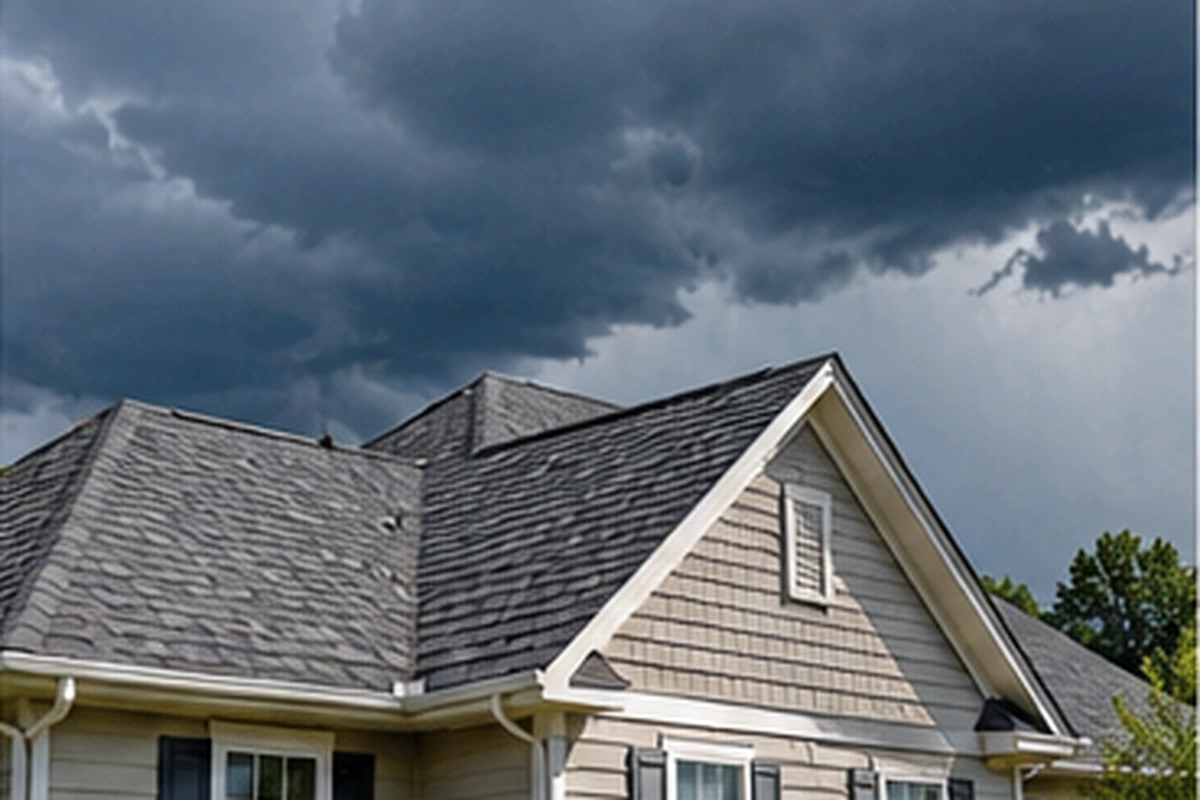
North Carolina roofs are exposed to a mix of heat, heavy rain, wind, thunderstorms, and occasional severe weather.
Those conditions do not automatically mean a roof needs replacement, but they can influence how a roofing system ages and what an inspection should examine.
Storm damage is not always obvious from the ground
Wind can loosen or remove shingles. Falling debris can damage roofing surfaces. Hail may affect shingles without creating an immediate interior leak.
After significant weather, a storm damage roofing inspection can help determine whether the roof has isolated damage, repairable issues, or broader problems.
Water can reveal problems later
Some roofing problems become noticeable only after water travels through the system.
The interior stain may not appear directly beneath the point where water entered the roof.
This is one reason diagnosing leaks from inside the home alone can be unreliable.
For urgent problems involving active leaks or significant storm damage, the appropriate response may involve storm damage roof repair rather than immediately assuming a complete replacement is necessary.
Will Homeowners Insurance Pay for a New Roof?
Insurance coverage depends on the cause of damage and the terms of the individual policy.
A roof that is simply old or worn out is different from a roof damaged by a covered weather event.
Homeowners should review their policy and communicate directly with their insurer rather than assuming a roof replacement will automatically be covered.

Document the condition before making decisions
If a storm may have caused damage, photographs and a professional inspection can help document what is actually present.
Avoid making assumptions about coverage before your insurer evaluates the claim.
Separate the roofing decision from the insurance decision
The roofing contractor’s role is to evaluate the physical roof and explain the work that may be required.
Coverage decisions belong to the insurance company under the terms of the policy.
Keeping those roles clear helps homeowners make decisions based on the condition of the property rather than expectations about a claim.
Financing Can Make a Planned Replacement Easier to Budget
A roof replacement can be a substantial household expense, particularly when it is needed sooner than expected.
If paying the entire project cost at once is difficult, reviewing available roof financing options may help you evaluate the project within a broader household budget.

Compare the total cost, not only the monthly payment
When considering financing, review:
- Interest rate
- Loan term
- Monthly payment
- Fees
- Early payment conditions
- Total amount repaid
A smaller monthly payment can look attractive while still producing a higher total cost over a longer repayment period.
Build room into the budget for unknown conditions
Roofing estimates can identify many problems before work begins, but hidden deterioration sometimes appears only after the old materials are removed.
Ask how your contract handles unexpected decking or related repair work so there are fewer surprises if additional work becomes necessary.
How to Compare Roofing Estimates Without Looking Only at Price
The lowest estimate is not automatically the best value, and the highest estimate is not automatically the most complete.
The useful comparison is whether each contractor is pricing the same scope.
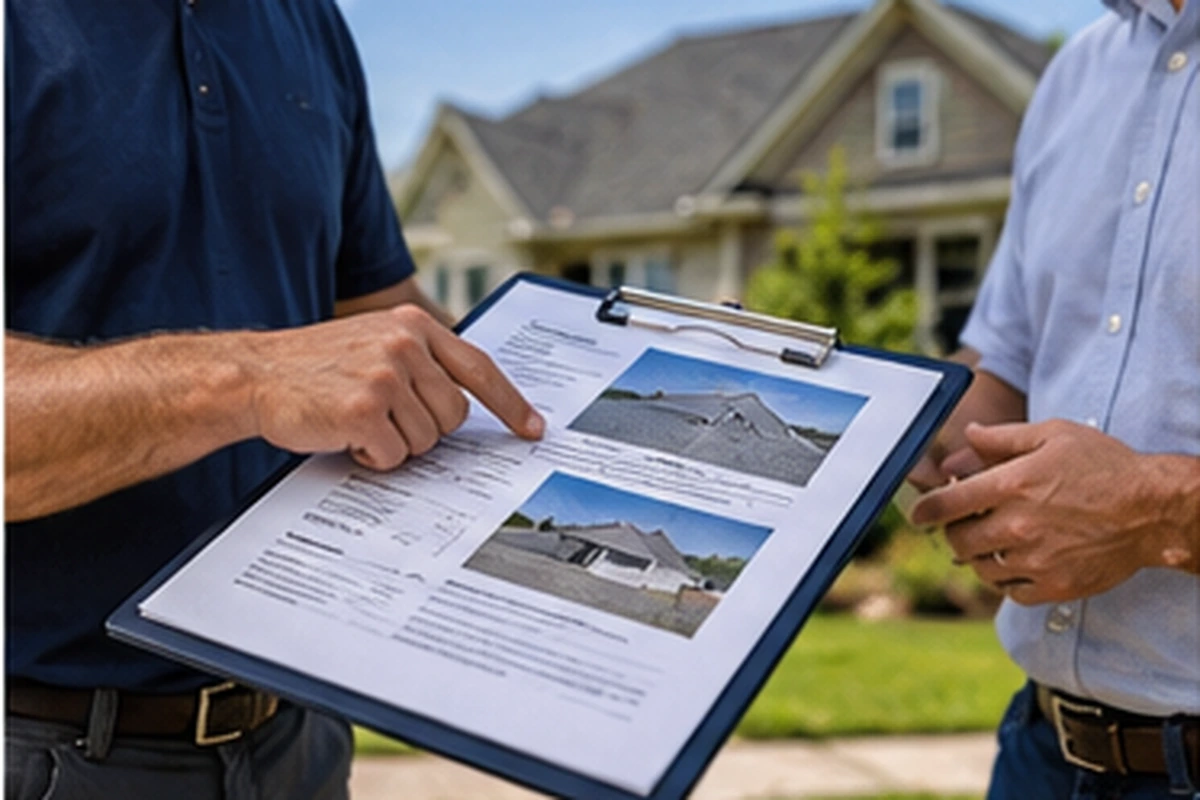
Put estimates side by side
Compare items such as:
- Roofing product and product line
- Estimated roof area
- Tear-off scope
- Number of existing layers
- Underlayment
- Flashing work
- Ventilation
- Decking replacement terms
- Disposal and cleanup
- Warranty information
- Start and completion expectations
- Payment schedule
If one estimate is substantially lower, identify what is different before choosing it.
Check contractor credentials
North Carolina’s Licensing Board for General Contractors requires general contractors to hold a state license for projects valued at $40,000 or more. Homeowners can also use the Board’s resources to check whether a license is active.
For roofing projects below that threshold, homeowners should still evaluate insurance, manufacturer credentials where applicable, references, written contracts, workmanship terms, and the contractor’s ability to explain the proposed system.
Lanes Contracting also provides information about its GAF Master Elite credentials, which homeowners can review when comparing roofing qualifications and manufacturer-related requirements.
Ways to Control Roof Replacement Cost Without Cutting Important Work
Reducing unnecessary cost is different from selecting the cheapest possible roofing system.
The goal should be to spend money where it affects the roof’s installation, weather protection, and expected performance.
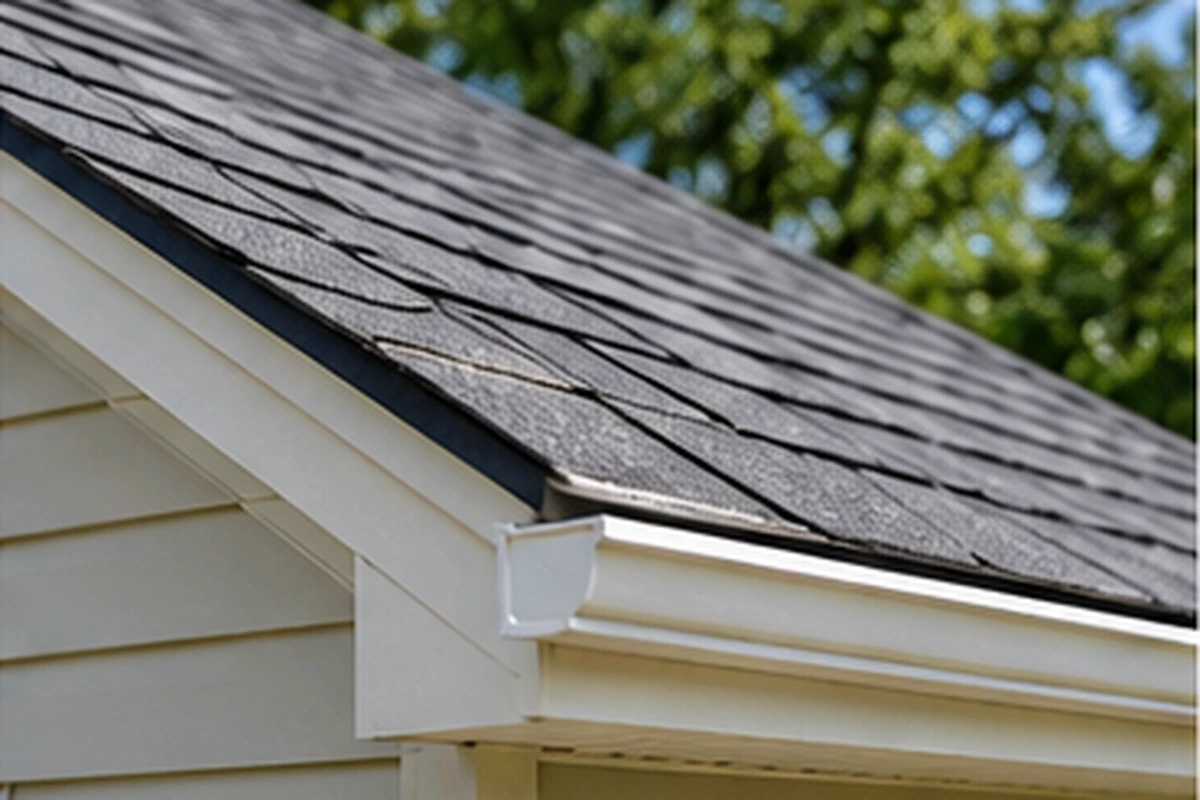
Get the roof inspected before choosing materials
Product selection should come after understanding the roof.
If there are decking problems, ventilation concerns, or complex flashing areas, those conditions may deserve budget priority before moving to higher-priced cosmetic options.
Compare equivalent proposals
Three estimates are difficult to compare when one includes tear-off, another assumes an overlay, and another includes extensive flashing or ventilation work.
Ask contractors to clarify scope so the comparison is meaningful.
Avoid replacing a roof solely because of age
Age is useful context, but condition matters too.
A professional inspection can help determine whether the roof requires replacement now, needs repairs, or can continue to be monitored.
Do not ignore small problems until replacement becomes unavoidable
A localized roof problem does not always stay localized.
Addressing a repairable issue early may prevent water from affecting decking, insulation, ceilings, or other parts of the home.
What Should a North Carolina Homeowner Do Next?
Online roof cost calculators are useful for setting expectations, but they cannot see the condition of your decking, measure every roof plane, assess flashing, identify previous installation problems, or determine the exact materials needed for your home.
For 2026 planning purposes, published North Carolina estimates support using roughly $8,000 to $24,000 as a broad starting range, while recognizing that many projects will fall outside it. Roof size, material, complexity, removal requirements, and hidden conditions determine where your project lands within or beyond that range.
If you’re considering a new roof, start with an inspection and a written scope rather than trying to make a decision from an online average.
Lanes Contracting can evaluate the existing roofing system, explain whether repair or replacement appears appropriate, discuss material options, and prepare an estimate based on the home itself.
Request a free estimate to get a clearer picture of what your North Carolina roof project may cost.