

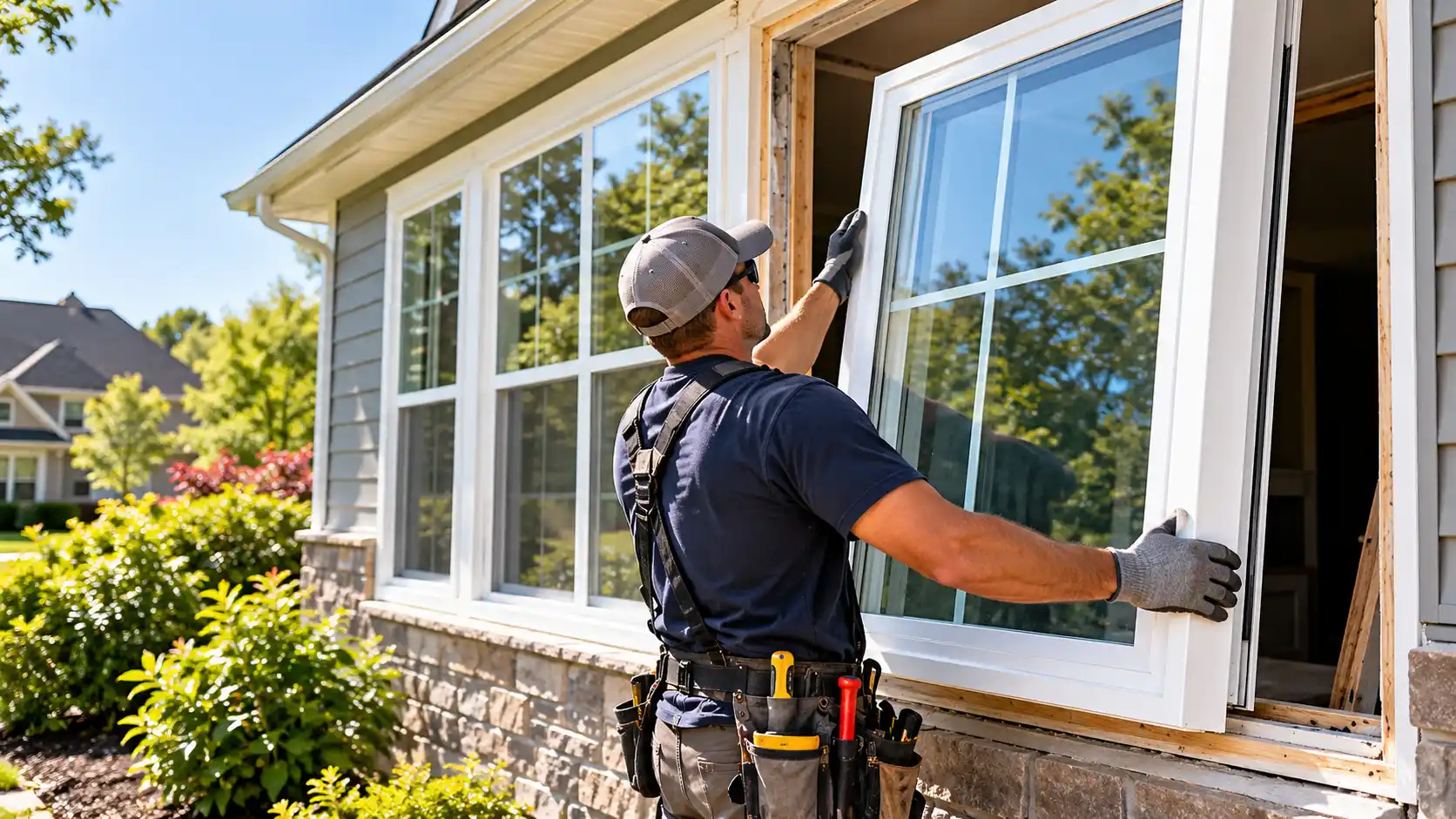
Replacement window cost depends on more than the price of the glass and frame. For a standard single-hung window, a useful 2026 national planning range is $450 to $1,500 per window installed, according to HomeGuide. Larger windows, specialty designs, difficult access, and repairs around the opening can raise that price. Our guide to choosing the right replacement windows can help you compare styles and materials before making a decision.
For a whole project, Angi reports a 2026 national average of $7,348. These are different measures, so neither should be treated as a quote for your home. For a more accurate estimate based on your home’s specific needs, explore our window replacement services.
If you’re planning a window project in North Carolina, local conditions matter too. Angi’s Raleigh cost guide reports an average project cost of $5,954, with reported projects ranging from $2,289 to $9,621. The number and type of windows included can vary from one project to another. The most useful next step is to understand what your own estimate should include, rather than assuming every window will cost the same.
How Much Are Replacement Windows in 2026?
For an initial budget, start with the number of windows you plan to replace. HomeGuide’s 2026 pricing for basic single-hung windows provides these installed-cost ranges:
| Number of windows | Estimated total installed cost |
|---|---|
| 1 | $450 to $1,500 |
| 5 | $2,250 to $7,500 |
| 10 | $4,500 to $15,000 |
| 15 | $6,750 to $22,500 |
These ranges look wide because homes rarely have identical openings throughout. A straightforward bedroom window may be inexpensive to replace, while a large window above a stairwell can require different materials, access equipment, and labor.
For homeowners comparing broader project averages, Angi’s October 2026 national data puts the typical reported project at $7,348 and the reported range at $3,436 to $11,838. That project average is not a per-window price and shouldn’t be multiplied by the number of windows.
How Frame Material Changes the Price
The window frame affects the upfront cost, appearance, upkeep, and available performance options. HomeGuide’s 2026 installed-cost ranges give a useful comparison:
| Frame material | Reported installed cost per window | Main consideration |
|---|---|---|
| Aluminum | $175 to $1,000 | Lower entry price, but metal conducts heat readily |
| Vinyl | $200 to $1,500 | Low maintenance and a wide range of price points |
| Fiberglass | $400 to $2,000 | Strong frames and good thermal performance options |
| Wood | $800 to $3,800 | Traditional appearance with more ongoing upkeep |
| Composite | $400 to $2,300 | Different blends and finishes, depending on the product |
Vinyl for practical, lower-maintenance upgrades
For many residential projects, vinyl windows are worth considering first. They don’t require routine painting, and manufacturers offer a range of styles and glass packages. The lowest-priced vinyl unit isn’t necessarily the best value, however. Compare the frame construction, hardware, warranty, and the window’s tested energy ratings.
Wood, fiberglass, and composite for different priorities
Wood may be appropriate when preserving a traditional architectural look is important, but the finish needs care. Fiberglass and composite products offer other combinations of appearance, durability, and cost. Don’t assume material alone guarantees better efficiency. The full window assembly and its installation determine how it performs.
Why Window Style and Size Affect Installation Costs
A standard opening usually allows more straightforward product selection. A large or unusually shaped opening may call for special ordering, heavier glass, or additional labor.
HomeGuide lists 2026 installed ranges of $300 to $1,300 for picture windows, $350 to $2,500 for double-hung windows, and $2,000 to $6,000 for bay windows. The ranges overlap because frame material, size, and installation conditions vary.
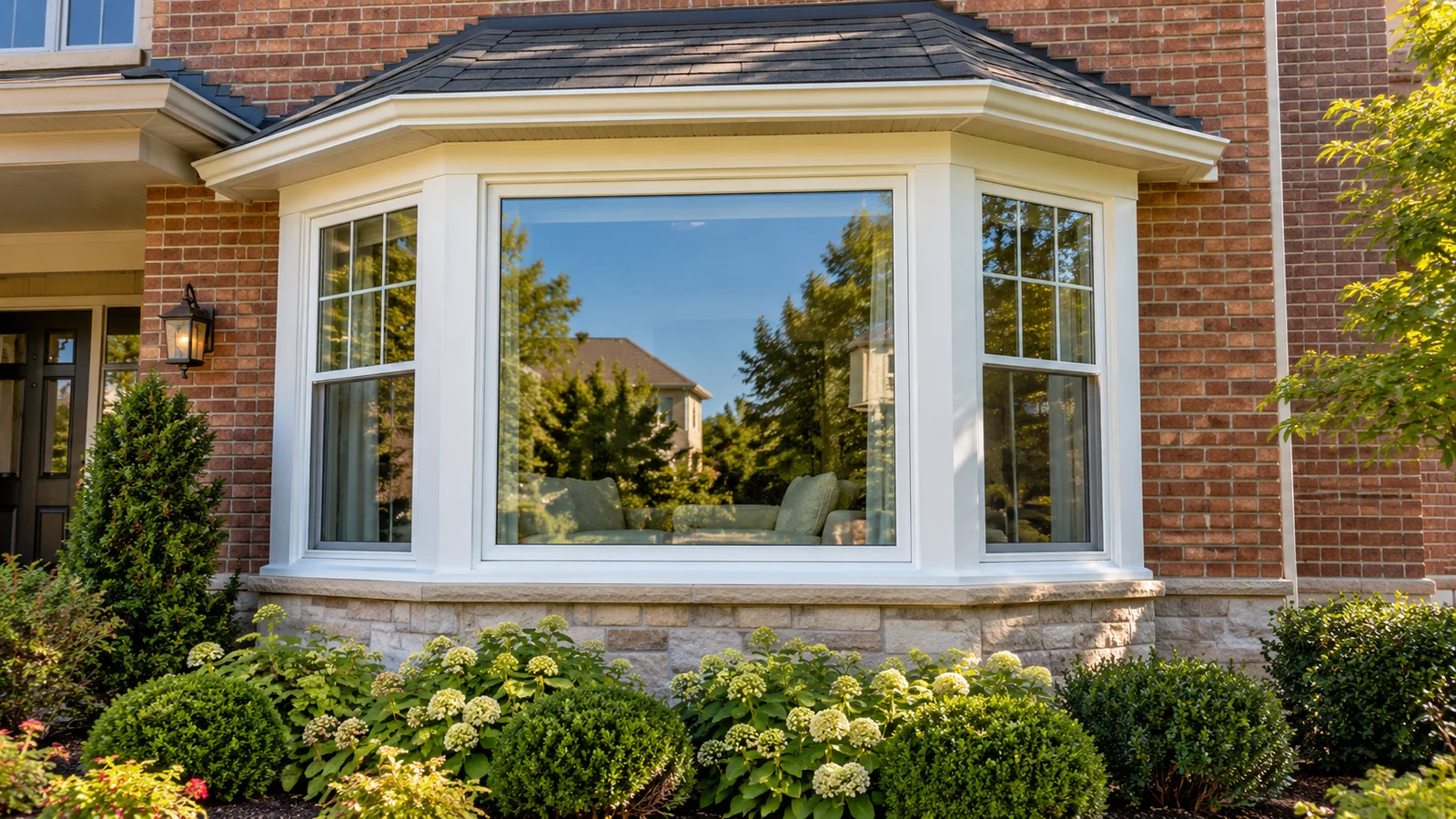
A picture window doesn’t open, so it has no operating sash or opening hardware. A double-hung window has two movable sashes. Bay windows project outward and involve several connected units, making their installation more involved.
If your home has arched openings, uncommon dimensions, or a particular design to preserve, custom windows may be needed. Ask whether a standard-size product can fit without changing the opening. An unnecessary change to the opening can add work that is unrelated to the window’s everyday function.
Pocket Replacement or Full-Frame Installation: Which Costs More?
The installation method can change the project scope even when two quotes specify similar windows.
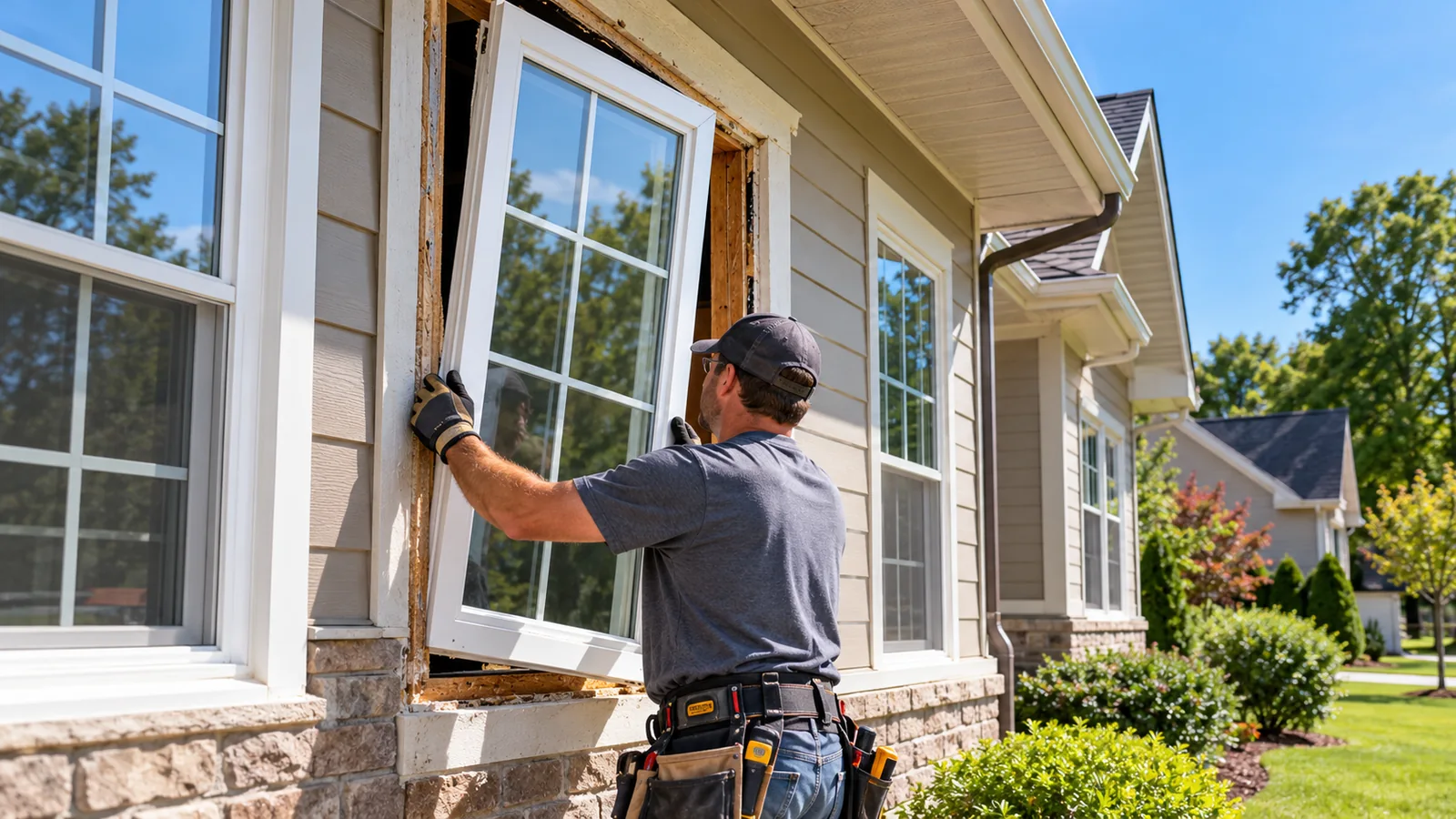
Pocket replacement keeps the existing frame
A pocket or insert replacement installs a new window within a sound, existing frame. It generally involves less removal and finishing work. The trade-off is that the existing frame remains, which can reduce the glass area slightly and leaves any concealed frame condition worth checking.
Full-frame replacement removes more of the old assembly
Full-frame work removes the old frame along with the sashes. It gives the installer access to more of the opening and may be appropriate when the frame is rotted, badly damaged, or improperly installed. It usually requires more labor and can involve additional trim or siding work.
A cheaper pocket-replacement quote isn’t a bargain if the existing frame has water damage. Likewise, paying for full-frame installation where the original frame is sound may not add much value. The right method depends on an inspection of the actual openings. Ask your contractor to explain the recommended window installation approach for each group of windows.
What Part of the Price Pays for Labor?
Installation is more than placing a new window in an opening. The job can include protecting nearby surfaces, removing the old unit, preparing the opening, fastening and sealing the replacement, addressing insulation gaps, finishing trim, and removing debris.
HomeGuide estimates $100 to $500 in installation labor per window across its national cost guide. For Raleigh, Angi reports typical labor costs of $100 to $300 per window. Both are published market ranges, not fixed contractor rates.
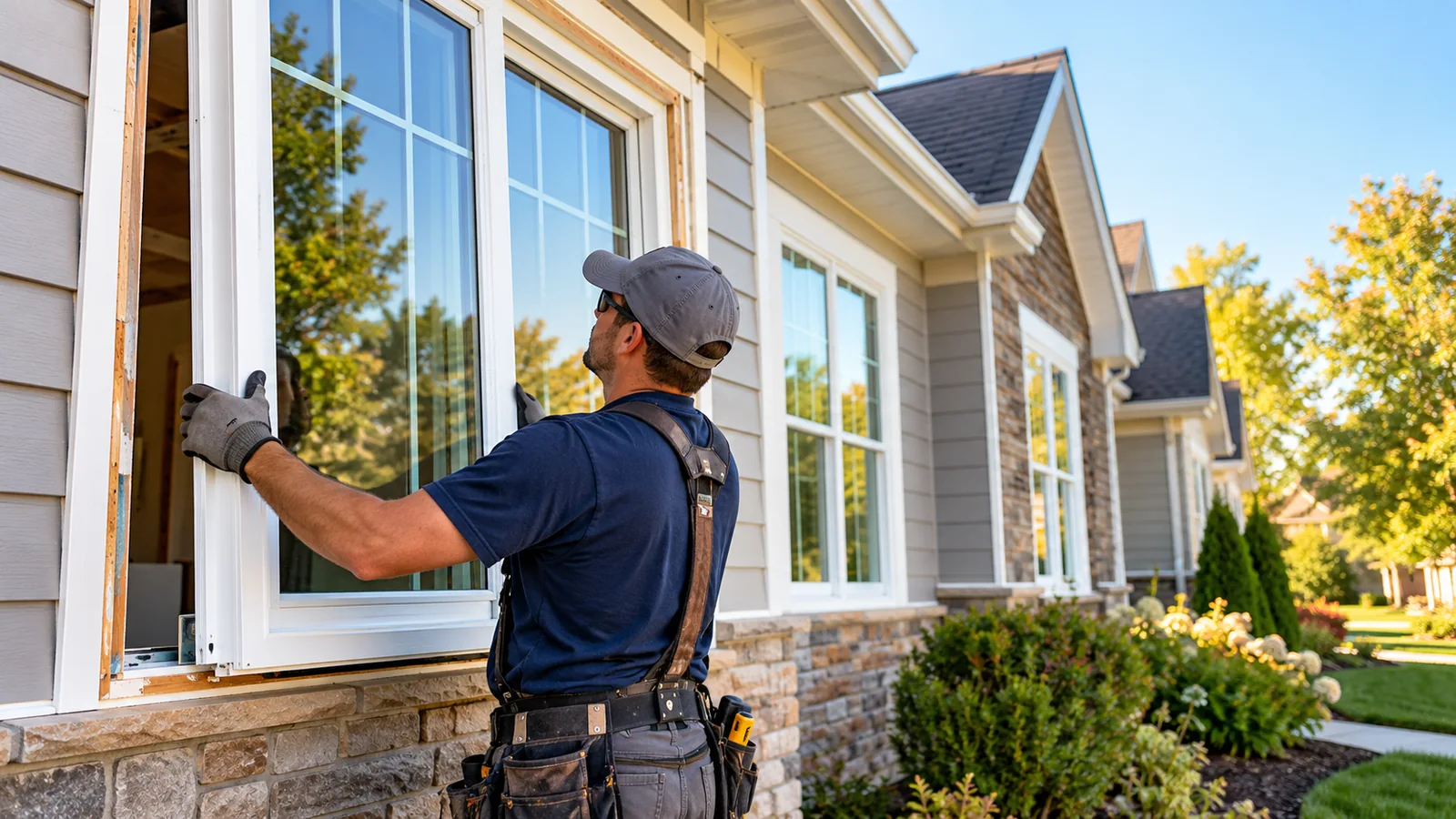
Second-story windows, steep ground, limited access, heavy units, and unusual trim may demand additional labor. Work also becomes more involved if the opening must be resized. A competent installer should discuss these factors before presenting a final project scope.
To evaluate a labor quote, ask what is included: sealing around the rough opening, exterior weather protection, interior finishing, cleanup, and any follow-up work after installation. A low installation line item isn’t necessarily the lowest total price if essential tasks appear later as add-ons.
Costs That Can Appear After the Initial Estimate
Some expenses are easy to miss when an estimate only lists window units and basic labor.
Damage discovered when the old window comes out
Soft framing, a deteriorated sill, or signs of recurring water entry can change the job. The repair should address the source of the moisture, not just cover damaged wood with new trim. In some cases, nearby siding repair may be part of restoring the exterior around the opening.
Changes to openings and finishes
Resizing an opening can require new framing and interior or exterior finish work. Painting, trim replacement, and making a new window match surrounding architectural details also add scope. If the window must meet specific safety-glass or emergency-exit requirements, the appropriate product may cost more.
Permits, disposal, and access
Permit requirements depend on the jurisdiction and the nature of the work. Replacing a window in the same opening isn’t always treated the same way as changing that opening. Ask who will confirm permit requirements and handle any required inspection. Also confirm whether old-window disposal, screens, and cleanup are included.
A practical rule: have the contractor identify any known exclusions in writing and explain how unexpected repair work would be priced and approved before it begins.
How to Estimate the Cost of Replacing Several Windows
A realistic budget begins with an inventory, not a single average multiplied across the house. Count each window and note its approximate size, style, floor level, operating condition, and visible damage. Group similar windows together, then flag the ones likely to need special attention.
For example, imagine a home with 10 ordinary windows. Using HomeGuide’s reported national average of $900 per window as a simple illustration gives a $9,000 starting figure. That is arithmetic for planning, not an estimate from a contractor. A large picture window, a difficult upper-floor installation, or repairs around an opening could change it significantly.
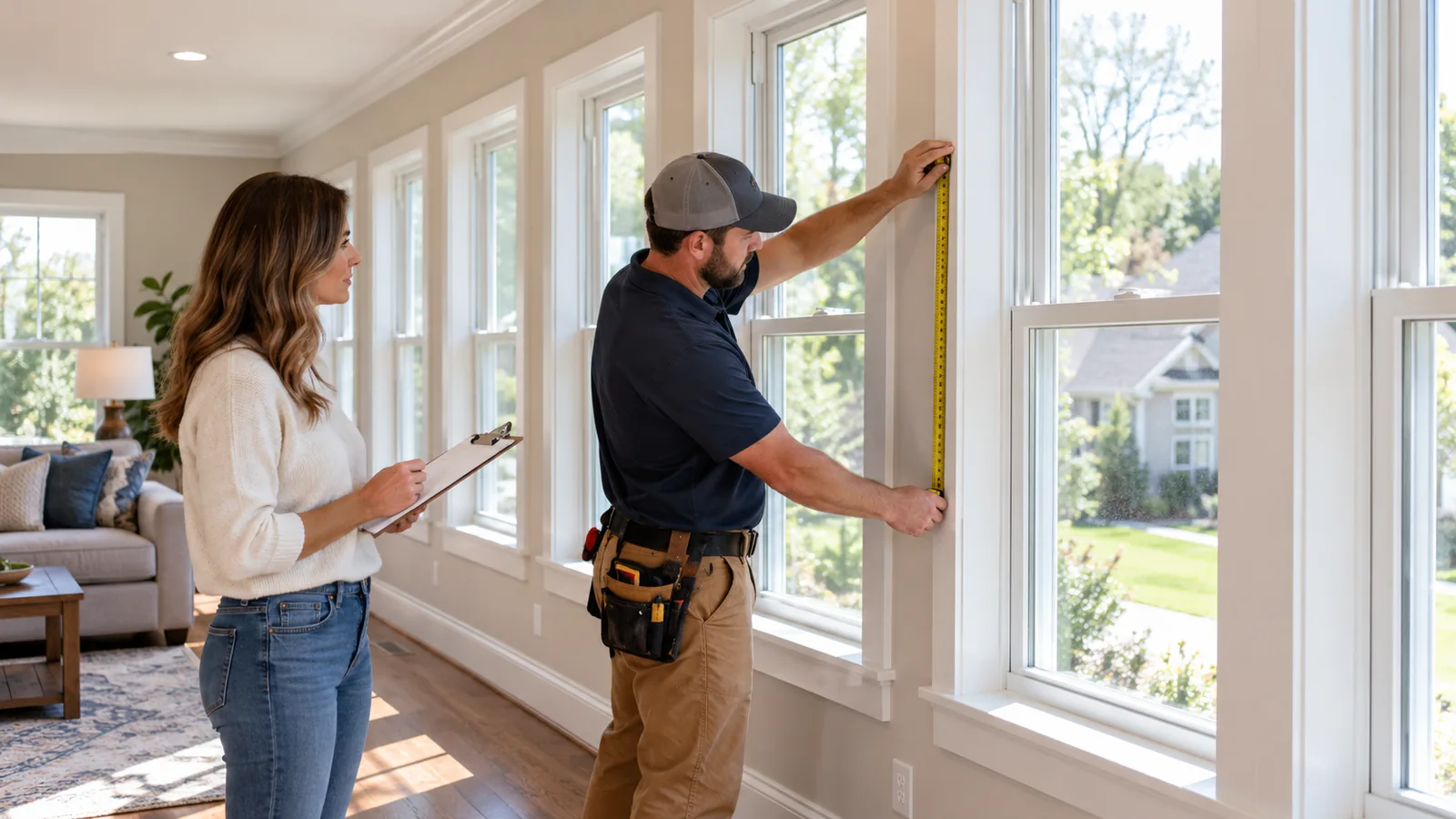
Rather than setting aside an arbitrary percentage, ask each estimator to identify specific uncertainties. If several sills show signs of damage, request a separate allowance or clear unit pricing for likely repairs. If the windows are sound and the project is mostly cosmetic, you may be able to replace them in stages.
Replacing several similar windows in one visit can sometimes lower the price per window because setup and ordering are shared. But don’t replace functional windows simply to qualify for a package price. For larger projects, review the available financing options along with the total contracted cost and repayment terms.
When Repair May Be Better Than Replacement
Not every draft, stuck sash, or water mark means the entire window must come out.
Weatherstripping and air sealing can help when a window is in otherwise sound condition. Hardware can sometimes be repaired. A failed insulated-glass seal may call for glass-unit replacement rather than removal of the entire frame, depending on the product and availability of parts.
Replacement becomes more compelling when the frame is structurally compromised, water damage keeps recurring, or the window cannot operate safely. Older single-pane windows can also be candidates for replacement when comfort and energy performance are significant concerns.
The Department of Energy identifies caulking, weatherstripping, and storm windows among the ways to improve existing windows without replacing them. Ask for a diagnosis of the actual problem before deciding whether window replacement services are necessary.
Do Energy-Efficient Windows Justify Their Higher Price?
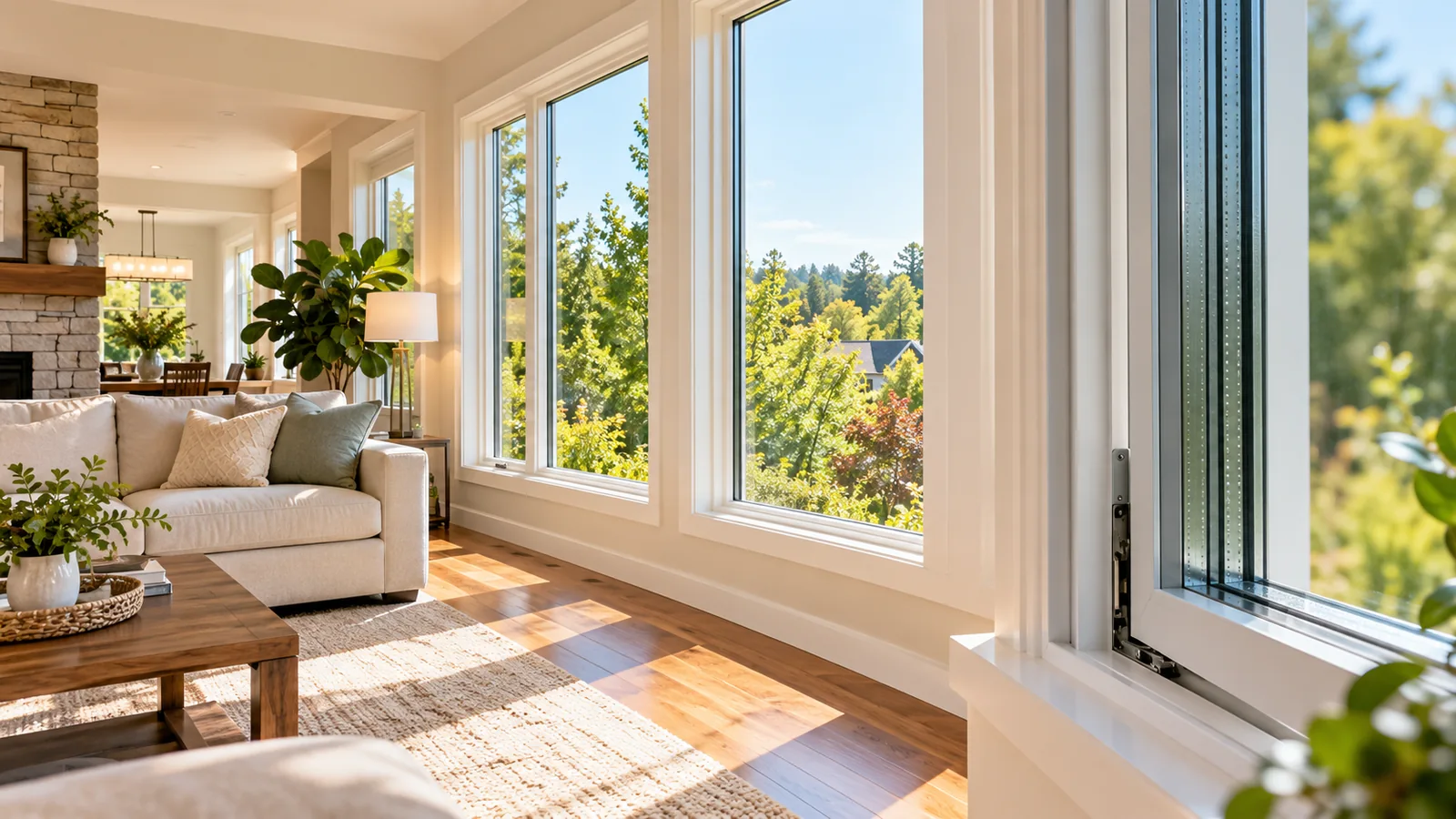
Energy-efficient windows can improve comfort and help reduce heating and cooling demands, but no installer can promise an identical savings figure for every home. The condition of the existing windows, climate, sun exposure, home insulation, and installation quality all influence the outcome.
Understand the performance labels
Look for the National Fenestration Rating Council (NFRC) label. U-factor describes how readily heat moves through the whole window; a lower number generally indicates better resistance to heat transfer. Solar Heat Gain Coefficient (SHGC) measures how much solar heat passes through; a lower rating can be useful for managing unwanted summer heat.
ENERGY STAR qualifications vary by climate zone. Because North Carolina locations do not all have identical conditions, check the climate-zone label for your county rather than assuming one glass package suits every home. Compare energy-efficient window options using the product’s actual ratings, not just terms such as “high performance” or “premium glass.”
Double-pane, triple-pane, and Low-E glass
A double-pane insulated unit is a common residential option. Triple-pane glass may improve thermal or acoustic performance in certain applications but costs more and isn’t automatically necessary for every opening. Low-emissivity (Low-E) coatings help control heat transfer. Compare the complete tested product and the expected benefits in your home before paying for upgrades.
A 2026 tax-credit clarification: The federal Energy Efficient Home Improvement Credit under Section 25C is not available for windows placed in service after December 31, 2025, according to the IRS. Do not assume an older advertisement promising a federal window tax credit applies to a new 2026 installation. Local utility offers can change, so verify any rebate separately before including it in your budget.
Comparing Quotes Without Choosing on Price Alone
Two quotes can look far apart until you compare what they actually include. Before choosing, request written information that makes the scope measurable:
- The number, dimensions, style, and location of each window.
- The manufacturer, product line, frame material, glass package, and NFRC performance ratings.
- Whether each opening gets pocket or full-frame replacement.
- Interior and exterior finishing, sealing, insulation, removal, and disposal.
- Known repair needs, allowances, exclusions, and how changes are approved.
- Permit responsibilities, estimated scheduling, payment terms, and product and workmanship warranty details.
If one proposal is substantially cheaper, ask what differs before assuming the contractor is offering the same work for less. A lower-priced window may be appropriate, but missing labor or unspecified repairs can change the real total.
If you’re still deciding what type of window makes sense, the guide to choosing the right replacement windows for your home is a useful companion to the cost comparison.
Questions Homeowners Ask Before Replacing Windows
Is it cheaper to replace all the windows at once?
Sometimes. Ordering and installing multiple similar windows together can reduce setup and purchasing costs per unit. Compare an all-at-once quote with a phased quote and ask what the difference actually covers. There is no need to replace good windows solely for a volume discount.
How much does it cost to replace 10 windows?
HomeGuide’s 2026 basic single-hung pricing suggests $4,500 to $15,000 installed for 10 windows. Your actual price depends on frame material, window dimensions, access, and repair needs. A mix of standard and specialty windows may fall outside that planning range.
Are vinyl replacement windows cheaper than wood windows?
They often have a lower initial price. HomeGuide reports broad installed ranges of $200 to $1,500 for vinyl and $800 to $3,800 for wood. Compare similarly sized windows and similar installation work to make the comparison meaningful.
Does a window quote normally include installation?
Not always. Some advertised prices describe the window unit only. Request the full installed total, including removal, sealing, finishing, disposal, and any identified repair work. A clearly itemized written quote matters more than the headline price.
Can new windows reduce my energy bills?
They can, particularly when replacing inefficient or poorly sealed windows, but savings vary by house. Compare the NFRC ratings for your climate and have the installer address air leaks around the opening. Replacing a relatively efficient, well-installed window may offer less financial benefit than fixing a significant draft elsewhere in the home.
Plan Your Window Project With a Clear Estimate
A reliable window budget comes from matching the right product and installation method to each opening. National cost ranges help you prepare, but they can’t reveal a damaged sill or tell you which frame and glass combination is right for your house.
Lanes Contracting provides window services for homeowners considering replacement and installation projects. If you’re weighing several options, request a free estimate and ask for a written breakdown of the windows, installation work, and any likely additional costs.