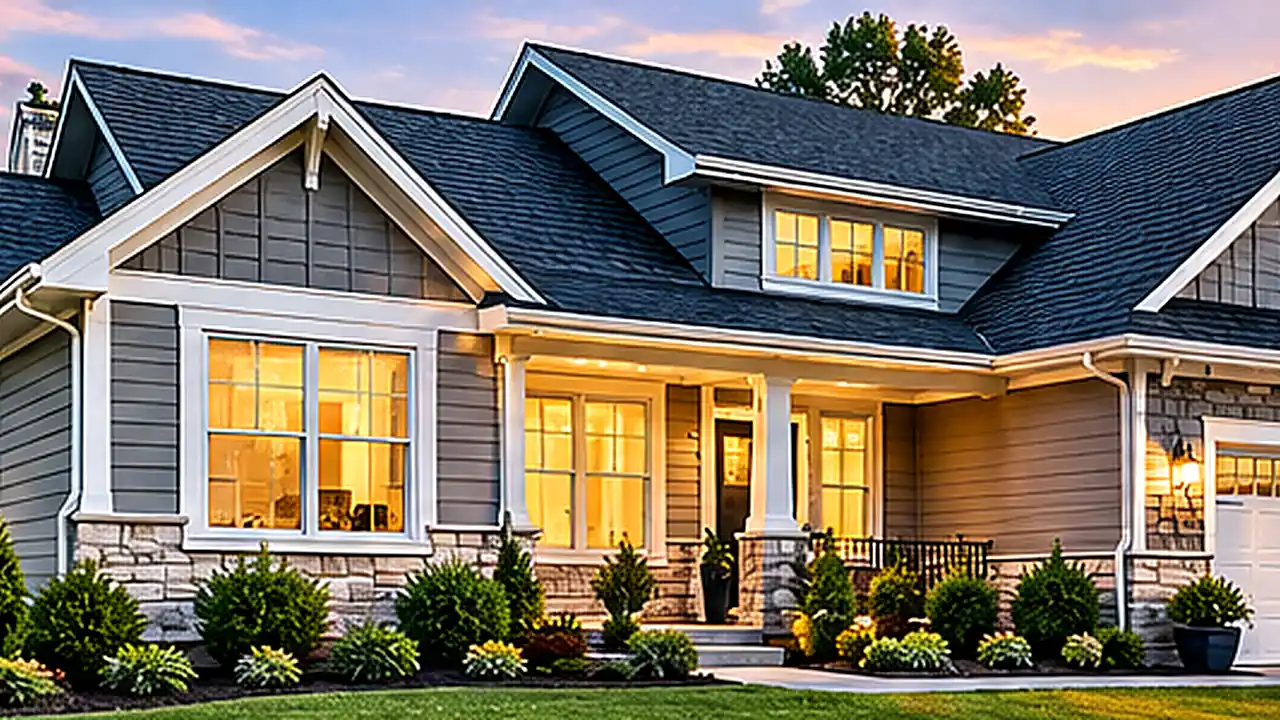
If you’re considering a major update, an exterior remodeling contractor can help assess the condition of your roof, siding, and windows before you commit to a particular design. This guide explains which improvements deserve attention first, where materials and installation details make a difference, and how to plan a project that fits your home’s needs and budget.
What Counts as Exterior Home Remodeling?
Exterior remodeling involves repairing, replacing, or upgrading the parts of a home exposed to the weather. Common projects include roofing, siding, windows, exterior trim, gutters, and related weatherproofing details. Some homeowners take on one problem area. Others coordinate several improvements because the components meet at the same walls, openings, and roof edges.
Protection and appearance work together
A roof sheds rain away from the house. Siding protects the wall assembly while establishing much of the home’s appearance. Windows provide daylight and ventilation, but they also have to resist air and water leakage where the frames meet the walls. Trim, flashing, sealants, and drainage details help those systems work together.
That’s why a complete exterior plan should consider more than color and material samples. Reviewing the home’s existing conditions and the available roofing, siding, and window services can help define which improvements belong in the same project.
Start With the Problems You Can’t See From the Street
A faded finish might be the first thing you notice, but moisture damage can be more urgent. Before selecting products, walk around the property and record areas that need closer inspection. Look from the ground or a safe vantage point rather than climbing onto a roof.
Signs that call for a closer look
- Roof: Missing or lifted shingles, stained ceilings, deteriorated flashing, or recurring leaks.
- Siding: Cracks, loose panels, soft or swollen areas, or staining that reappears after cleaning.
- Windows: Persistent drafts, difficulty opening or closing, water stains around the frame, or moisture between panes of insulated glass.
- Drainage: Overflowing gutters, downspouts discharging against the foundation, or repeated wet spots on exterior walls.
These signs don’t always mean a complete replacement is necessary. For example, a limited roof leak might be traced to flashing, while moisture around a window could come from installation details rather than the glass itself. An inspection helps separate a local repair from a wider problem. If roofing concerns are present, a professional roof inspection is a sensible starting point.
Find the cause before covering the evidence
Installing new finishes over an unresolved leak can hide damage rather than correct it. Ask the contractor what they can determine before demolition and which conditions may become visible only after materials are removed. A realistic scope should explain how unexpected rotten sheathing or damaged framing will be documented, priced, and approved.
Which Exterior Upgrades Add the Most Value?
The improvements that add value depend on what the home needs, how long you intend to stay, and what buyers in your market expect. A well-maintained roof and sound exterior walls may matter more than a dramatic design change if existing materials are failing. For a home in good condition, coordinated colors, new trim, or updated windows may make the most noticeable difference.
| Your main goal |
Upgrades worth evaluating |
Why they may help |
| Prevent water damage |
Roof repairs, replacement where needed, flashing, drainage corrections |
Addresses conditions that can damage other parts of the house |
| Improve curb appeal |
Siding, trim, entry details, coordinated window styles |
Creates a more consistent exterior appearance |
| Improve comfort |
Window repairs or replacement, air sealing, insulation opportunities |
Can reduce drafts and unwanted heat transfer when properly selected and installed |
| Reduce maintenance |
Appropriate siding and window-frame materials |
May lower the frequency of painting or other upkeep |
| Prepare to sell |
Repair visible defects and address major condition concerns |
Helps the property present as well maintained, without guaranteeing a resale return |
A new roof or siding system isn’t a guaranteed dollar-for-dollar investment. The National Association of REALTORS® identifies roof condition as one of the exterior concerns real estate professionals consider when preparing a home for sale, but actual resale results vary. Treat potential resale value as one consideration alongside safety, protection, comfort, and the cost of continued maintenance.
Roofing: When a Repair Is Enough and When Replacement Makes Sense
A roof is a system, not just a layer of shingles. Its performance also depends on underlayment, ventilation, roof penetrations, flashing, and how water is directed into the gutters. A roofing decision should account for all of these components.

Repair may be appropriate when damage is localized
If a small area has been damaged and the surrounding roof is in serviceable condition, a targeted roof repair may resolve the problem. The contractor should identify where water is entering and explain how the repair connects to the existing roofing materials.
Replacement deserves consideration when problems are widespread
Extensive deterioration, recurring leaks in different locations, or multiple failing roof components can make roof replacement a more practical long-term option. Don’t decide solely by the roof’s age. Installation history, storm exposure, material condition, and the underlying deck also matter.
Ask whether the estimate includes removal of existing material, inspection of roof decking, underlayment, flashing, ventilation details, cleanup, and the specific manufacturer’s warranty terms. A low bid that omits essential components isn’t necessarily the lower-cost project.
Siding: Choose for Weather Exposure, Upkeep, and Design
Siding has a major influence on curb appeal, but material selection should also reflect sun exposure, rain, maintenance preferences, and the condition of the wall underneath. Different products have different strengths, and correct installation is as important as the finish.

Vinyl siding
Vinyl is commonly chosen for its range of colors and relatively low painting requirements. It expands and contracts with temperature changes, so fastening and clearance details matter. Homeowners considering vinyl siding installation should ask about panel profile, trim details, impact limitations, and manufacturer instructions.
Fiber cement siding
Fiber cement products offer a different appearance and maintenance profile. They tend to be heavier than vinyl and require appropriate cutting, clearances, fastening, and finishing practices. If you’re comparing products such as James Hardie siding, review the exact product line, finish requirements, and installation specifications instead of assuming all fiber cement options perform identically.
Don’t overlook the wall beneath the siding
Removing old siding can reveal failed housewrap, inadequate flashing, damaged sheathing, or openings that need air sealing. These conditions should be addressed before new cladding is installed. If much of the existing material is damaged or poorly attached, a planned siding replacement may allow a more thorough evaluation than repeated isolated repairs.
Windows: Replacement Should Solve a Specific Problem
Window upgrades can affect appearance, ventilation, daylight, and indoor comfort. But a window that feels drafty doesn’t automatically need replacing. Sometimes weatherstripping, air sealing, or repair of the surrounding opening is the better first step.
Know when replacement is justified
Replacement may be reasonable when frames are severely deteriorated, the sash no longer operates safely, insulated glass seals have failed, or repeated repairs no longer make sense. For these situations, explore window replacement options that fit the existing openings and the house’s design.
Compare performance labels, not just glass features
The National Fenestration Rating Council (NFRC) label helps compare rated window performance. Two useful measures are U-factor, which indicates how much heat passes through the assembly, and solar heat gain coefficient (SHGC), which indicates how much solar heat enters through the window. Lower values have different implications depending on the measure and local climate.
For North Carolina homes, product selection should account for cooling needs, sun exposure, and comfort in different rooms. ENERGY STAR’s window guidance recommends selecting products certified for the appropriate climate zone. Review both product specifications and how the energy-efficient windows will be installed.
Installation details can outweigh an attractive specification sheet
A well-rated window can still allow water or air leakage if the surrounding opening is poorly prepared. Ask how installers plan to manage flashing, sill drainage, insulation around the frame, interior air sealing, and exterior trim. Those details are part of a sound window installation, not optional extras.
The Connections Between Roof, Siding, and Windows Matter
The places where exterior materials meet are frequent trouble spots. Roof-to-wall intersections, window corners, penetrations, and lower wall edges all need a clear path for water to drain outward rather than behind the finished surface.
Think of the exterior as overlapping layers
A weather-resistive barrier behind siding helps manage water that gets past the cladding. Flashing directs water away from vulnerable joints. Window and roof details need to overlap in the correct order so gravity carries water outward. Caulk can be useful, but it should not be the only defense against water intrusion.
When siding and windows are being updated together, coordinating opening preparation and flashing can reduce the risk of having one crew disturb another crew’s finished work. The same principle applies where roofing meets walls or exterior trim. For a closer look at combined upgrades, see how new siding and windows can change a North Carolina home’s exterior.
Drainage belongs in the conversation
Gutters and downspouts should direct runoff away from vulnerable wall and foundation areas. Before approving an exterior design, discuss roof edges, gutter condition, splashback, and any recurring pooling near the home. New finishes won’t compensate for unmanaged runoff.
What Drives the Cost of Exterior Remodeling?
There isn’t one useful price for an exterior remodel. A focused repair and a coordinated roof, siding, and window project involve very different labor, materials, access requirements, and risk. A reliable budget begins with a measured scope rather than a general cost-per-house estimate.
The biggest cost variables
The property’s size and shape affect material quantities, but complexity often matters just as much. A steep or intricate roof, multiple window sizes, high walls, limited site access, detailed trim, and hidden water damage can all change the final scope. Disposal, permitting, protection of landscaping, and finish selections also need to be accounted for.
Ask each bidder to identify what is included, what is excluded, and which items are allowances or provisional costs. For example, if roof decking or wall sheathing can’t be assessed until removal begins, agree on how the contractor will price and approve replacement material before that work happens.
Budget by priority if the entire project isn’t feasible now
A phased plan can work well when the home’s systems are generally sound. Handle active leaks and deteriorated materials first. Next, plan upgrades that require opening walls or removing major finishes. Cosmetic choices can follow after those underlying issues are resolved.
If payment options affect timing, review available financing information and compare the full agreement, not just the advertised monthly payment. Financing terms and eligibility should be confirmed directly before making a commitment.
Plan the Work in an Order That Avoids Rework
The best sequence depends on the specific house, but the central rule is simple: address hidden problems and coordinate overlapping materials before completing the finished surfaces.
- Assess the existing exterior. Document roof, wall, window, and drainage conditions and identify urgent repairs.
- Define the scope. Decide which components will be repaired, replaced, or left untouched, and record any necessary inspections or permits.
- Choose compatible products. Confirm colors, profiles, trim, glazing, flashing details, and manufacturer requirements.
- Coordinate shared details. Plan roof-to-wall transitions, window openings, siding removal, and gutter work before crews begin.
- Approve a written schedule and change process. Include how material delays, concealed damage, and weather interruptions will be handled.
- Inspect the finished work. Review drainage, visible flashing details, operation of new windows, cleanup, and warranty documentation.
For example, replacing windows shortly after installing new siding may require cutting into finished trim or disturbing water-management details. Discussing both upgrades at the start can reveal whether coordinated installation is more practical, even if the homeowner decides to phase the expense.
What to Expect While Exterior Work Is Underway
Exterior remodeling can affect access to driveways, windows, entrances, decks, and parts of the yard. The degree of disruption depends on the scope. Ask the project manager where deliveries and waste containers will go, how landscaping will be protected, and which parts of the home should remain clear.
Before work starts
Confirm product choices, contract documents, start conditions, a primary point of contact, and any responsibilities you have for moving vehicles or outdoor furniture. Take photographs of existing conditions, including landscaping and nearby exterior features.
During installation
Noise, dust, and temporary exposure of work areas are normal considerations. Weather can affect scheduling, particularly when roof or wall assemblies are opened. If unexpected damage appears, request photographs and a written explanation before approving additional work.
At the final walkthrough
Check that windows open, close, and lock correctly; visible trim and siding are secure; the work area is clean; and agreed repairs are complete. Ask for product information, maintenance instructions, warranty documents, and confirmation of any required inspections. Keep those records with your home maintenance documents.
How to Choose an Exterior Remodeling Contractor
The right contractor should be able to explain the existing problem, recommend a proportionate solution, and document the work clearly. Attractive product brochures and a low estimate are not substitutes for a scope you can understand.
Compare written proposals on the same basis
Ask each contractor to identify the exact materials, manufacturer and product line, areas included, removal and disposal, preparation work, flashing and moisture-control details, warranties, exclusions, and payment schedule. If one proposal includes repairs to hidden damage and another doesn’t address them, the prices are not directly comparable.
Verify credentials and relevant experience
Request current insurance information, applicable license details, and examples of work similar to your project. In North Carolina, the Licensing Board for General Contractors provides guidance and license lookup resources. Requirements vary with the project and trade, so confirm what applies to your work and whether local permits or inspections are needed.
Also read recent, detailed customer feedback and ask who will supervise the work. Manufacturer certifications can be useful evidence of training or eligibility for certain warranty offerings, but verify their current status and read the actual warranty conditions rather than assuming all coverage is the same.
Pay attention to the answers, not just the price
A dependable estimate should make it easier to understand what will happen if hidden rot is discovered, bad weather interrupts work, or a material needs to be substituted. Vague answers to these questions often create more risk than a small difference between bids.
Questions Homeowners Often Ask Before Starting
Can I remodel the exterior in stages?
Yes. Staging can be sensible when the roof, siding, and windows don’t all need replacement at once. Plan shared flashing, trim, and weatherproofing details in advance so later work doesn’t unnecessarily disturb an earlier installation.
Should siding and windows be replaced at the same time?
Not always. Combining them can make sense when both are near the end of their useful service life or when access to the window openings will be easier during siding removal. If one system is in good condition, replacing it simply to bundle the project may not be warranted.
Will new windows lower my energy bills?
They may improve thermal performance and comfort, especially when replacing inefficient or deteriorated units, but actual savings depend on the existing windows, whole-home air leakage, climate, product choice, and installation. If your current windows are serviceable, air sealing and other efficiency measures may deserve evaluation first.
Do older homes require special precautions?
They can. For projects that disturb painted surfaces in homes built before 1978, the EPA’s Renovation, Repair and Painting rule may require a certified firm and lead-safe work practices, subject to the rule’s conditions and exceptions. Discuss this with the contractor before disturbing old painted components.
What should I do first if I don’t know which upgrade I need?
Start with a condition assessment rather than a material selection. List current problems, decide what needs immediate attention, and ask for a written scope that separates necessary repairs from optional appearance upgrades.
Ready to plan your home’s next improvement? Lanes Contracting works with homeowners on roofing, siding, and window projects in North Carolina. To discuss existing issues, possible materials, and a realistic scope, request a free estimate.