

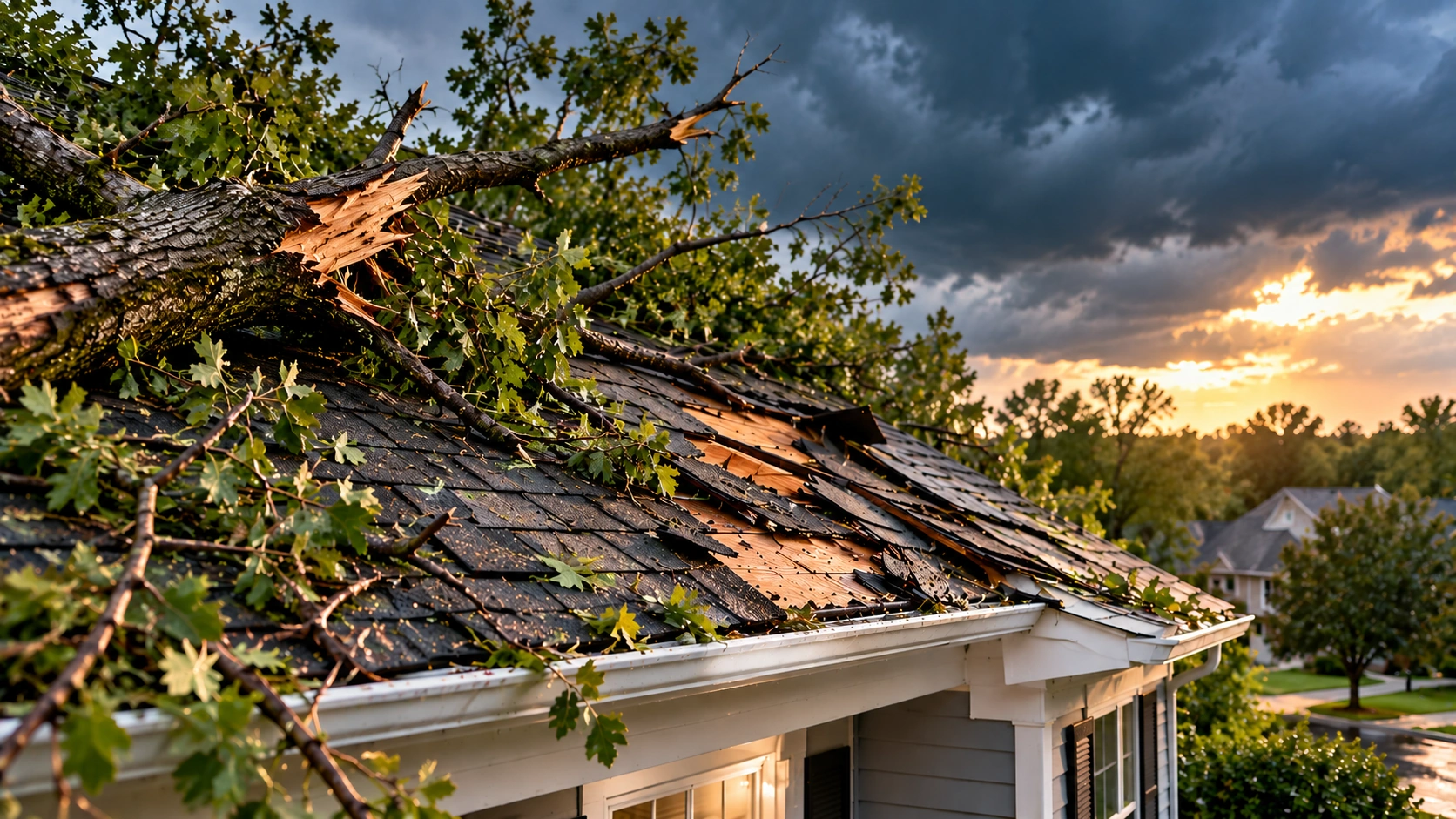
A severe storm can pass in minutes and leave behind roof damage that isn’t always easy to spot from the ground. Missing shingles may be obvious, but hail impacts, lifted flashing, damaged vents, and small openings can allow water into the roofing system without creating an immediate leak.
If you suspect storm damage, the safest approach is to protect your home, document what happened, and arrange a professional roof assessment before small problems have time to spread.
This guide explains what to do after storm damage to your roof, which warning signs deserve attention, how temporary protection and insurance claims typically work, and when professional storm damage roof repair may be needed.
What Should You Do Immediately After a Storm Damages Your Roof?
Your first priority after severe weather should be safety, not climbing onto the roof.
Wet roofing materials can be slippery, weakened sections may not support weight properly, and nearby trees or power lines can create additional hazards. Even when damage appears minor from the yard, conditions on the roof may be different.
Once the storm has passed and the property is safe to approach, follow these steps:
-
- Check for immediate safety hazards. Look for fallen power lines, unstable trees, broken glass, standing water, structural movement, or other hazards before walking around the property.
- Inspect the home from the ground. Look for missing shingles, fallen roofing materials, damaged gutters, displaced flashing, tree limbs, or visible openings.
- Check inside the home. Inspect ceilings, attic spaces, walls, and areas around vents for water stains, damp insulation, dripping water, or unusual moisture.
- Photograph visible damage. Take clear pictures and videos before temporary repairs change the condition of the property.
- Prevent additional water intrusion where safely possible. Temporary coverings or emergency measures may help limit additional damage.
- Contact your insurance company if you plan to file a claim. Ask what documentation they need and what steps should be completed before permanent repairs begin.
- Schedule a professional roof inspection. A roofer can inspect areas that aren’t visible from the ground and determine whether repair, emergency stabilization, or replacement should be considered.
North Carolina’s Department of Insurance similarly advises homeowners to address safety concerns first, photograph damage before temporary repairs, protect the home from additional damage, keep receipts, and contact the insurance company promptly when filing a claim.
If water is actively entering the home or part of the roof has been opened by the storm, emergency roof repair may need to be addressed before a routine repair can begin.
Storm Damage Isn’t Always Obvious From the Ground
A roof doesn’t have to be partially missing to have storm damage.
Wind can loosen shingles without completely removing them. Hail can damage protective surfaces while leaving shingles in place. Flashing can shift just enough to allow rainwater underneath the roofing system during the next storm.
That is why a quick visual check from the driveway shouldn’t be treated as a complete assessment.
Wind Can Lift and Loosen Roofing Materials
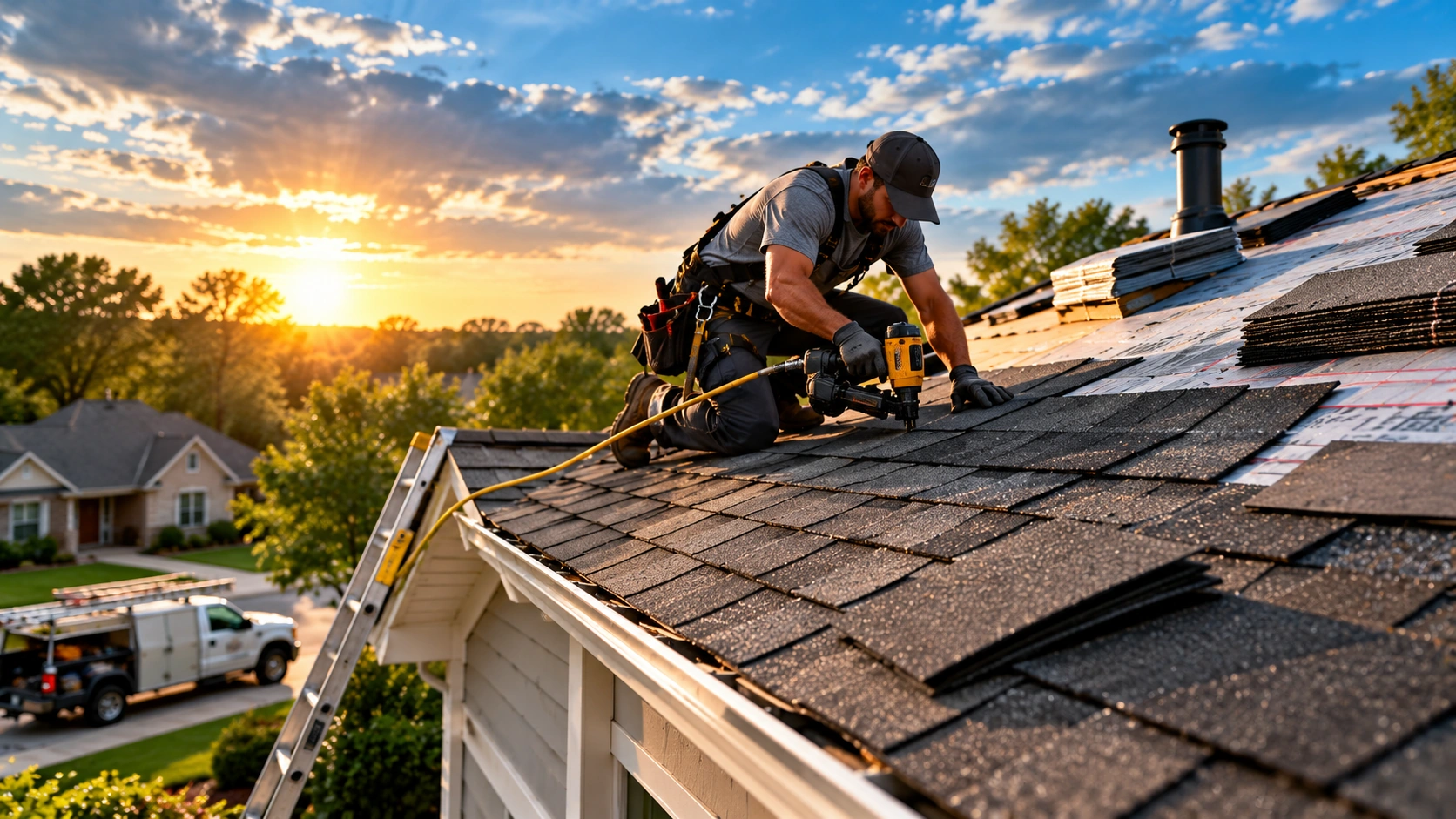
Strong winds create pressure across different parts of the roof. Shingles along edges, ridges, corners, and already vulnerable areas may be especially affected.
A shingle that lifts during a storm can sometimes settle back down afterward. From the ground, everything may look normal, even though the adhesive seal or fastening has been affected.
Once that happens, later wind or rain may create a larger problem.
Hail Damage Can Be Difficult to Recognize
Hail damage often looks different from wind damage.
Instead of missing material, you may see dents in metal components, marks on gutters, damaged vents, or impact areas across shingles. The seriousness of those impacts depends on several factors, including hail size, wind conditions, roofing material, roof age, and the angle of impact.
A professional roof inspection can help determine whether visible marks are cosmetic or whether the roofing system has been damaged.
Debris Can Damage More Than the Shingles
Branches and windblown debris can damage shingles, flashing, gutters, vents, decking, and other roof components.
Large impacts may create immediate openings. Smaller impacts can leave cracks or punctures that aren’t obvious until water begins entering the home.
Check the Inside of Your Home for Signs of Roof Damage
Some of the clearest warning signs appear inside the house rather than on the roof itself.
After a strong storm, inspect the attic if it can be accessed safely. Look around roof penetrations, vents, chimneys, valleys, and areas where different roof sections meet.
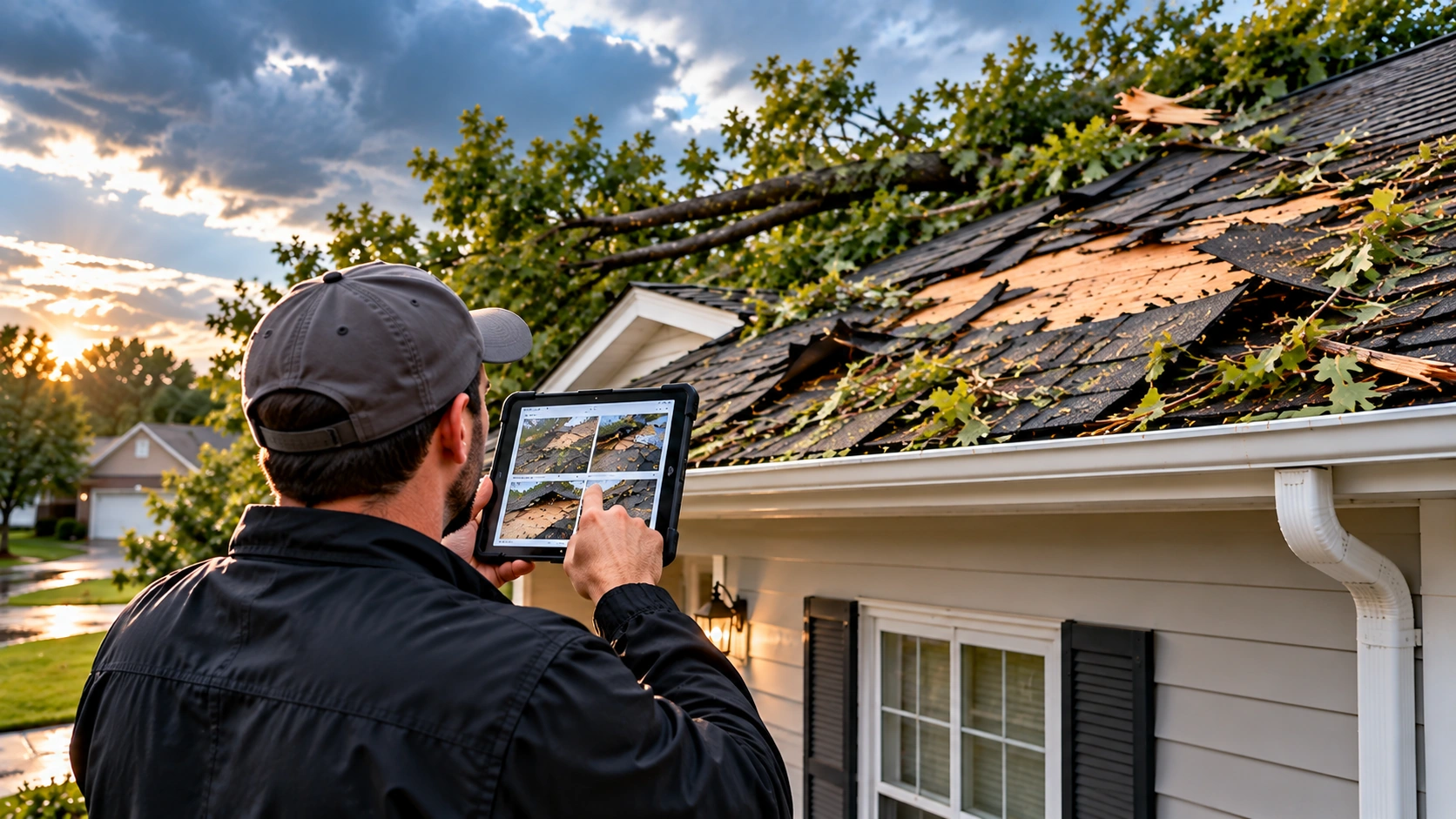
Water may travel along rafters or decking before dripping into the living space, so the location of a ceiling stain doesn’t always identify the exact point where water entered.
Watch for damp insulation, wet wood, dark staining, peeling paint, bubbling drywall, musty odors, or active dripping.
If you’ve discovered water entering the home, a professional roof repair assessment can help identify the source instead of simply treating the visible interior symptom.
Document the Damage Before Making Permanent Repairs
Good documentation creates a clear record of what the property looked like after the storm.
Photograph the roof from safe ground-level positions, along with damaged gutters, siding, windows, outdoor structures, fallen debris, and interior water damage. Wider photos provide context, while closer images can capture specific damage.
If temporary work becomes necessary, photograph the affected area before and after that work whenever possible.
Keep invoices and receipts for materials or emergency services as well.
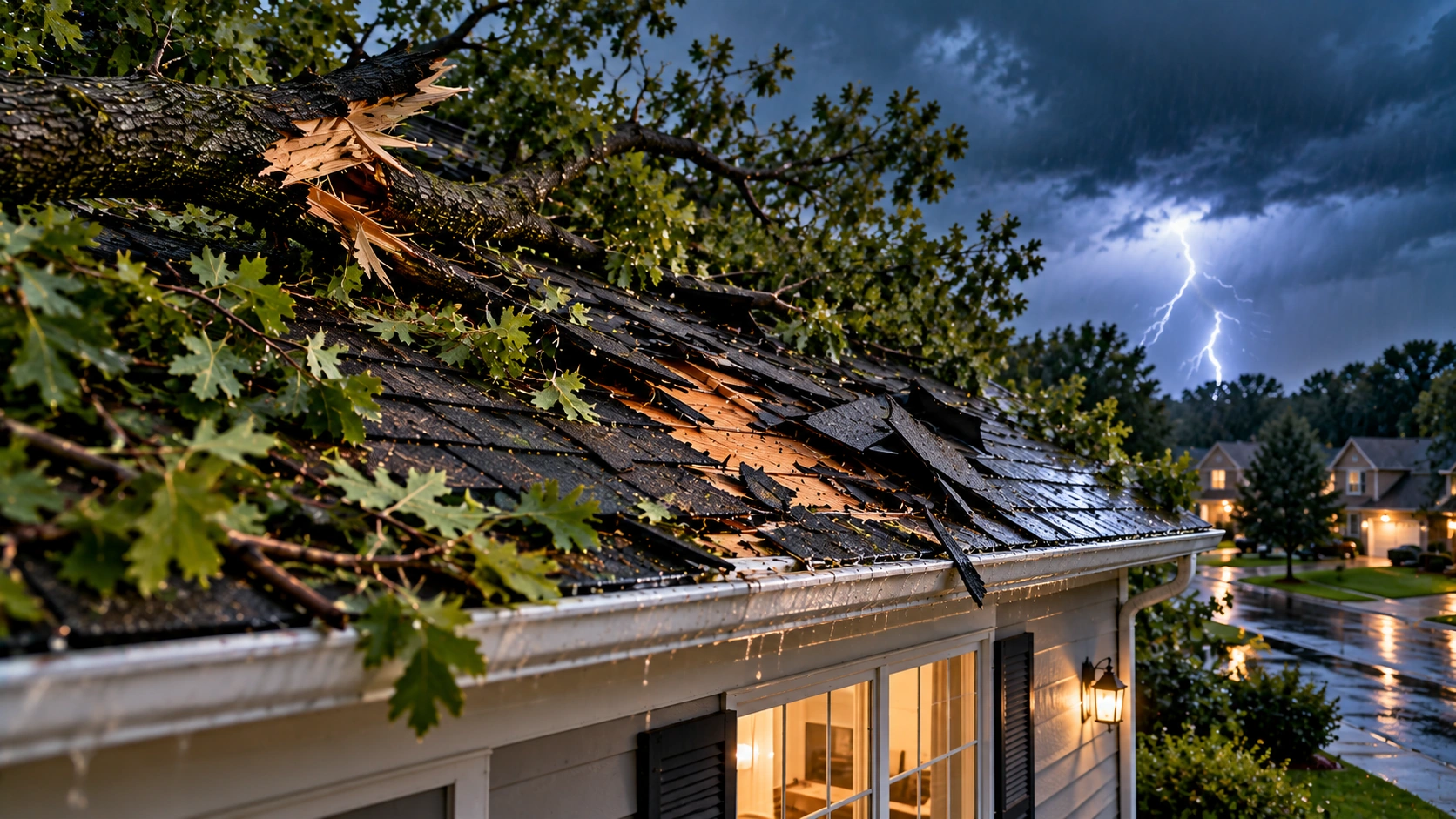
For North Carolina homeowners filing an insurance claim, the Department of Insurance recommends making a list of damages and taking clear photographs before completing temporary repairs. It also advises keeping receipts for reasonable measures taken to protect the property from further damage.
Documentation doesn’t guarantee that an insurer will cover a particular repair. Coverage depends on the policy, cause of loss, deductible, exclusions, roof condition, and the insurer’s assessment.
Temporary Protection and Permanent Roof Repair Are Different
Stopping additional water from entering the home is not the same as completing the final repair.
A temporary measure may involve covering an exposed section of the roof or stabilizing an area until the full extent of the damage can be evaluated.
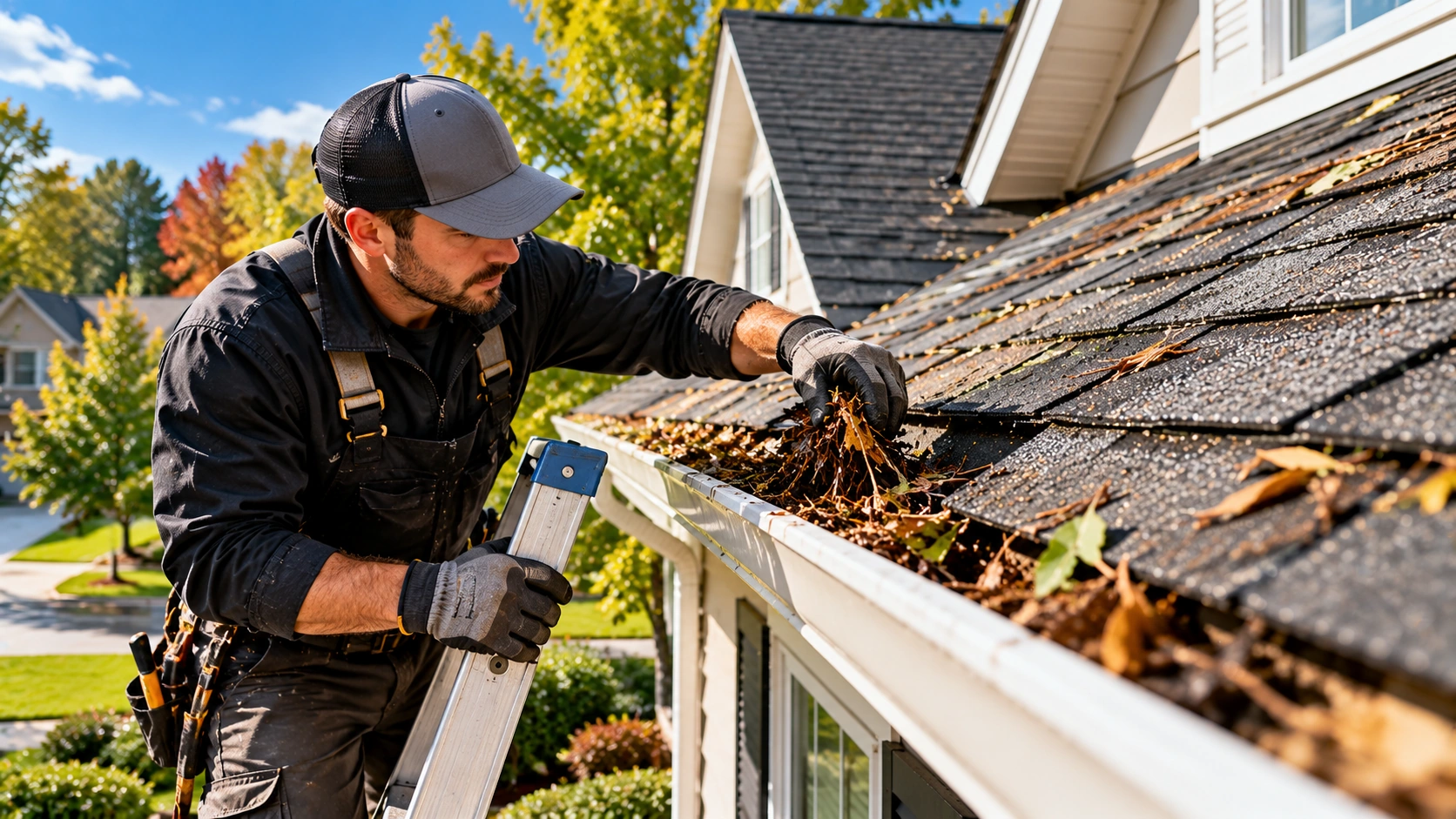
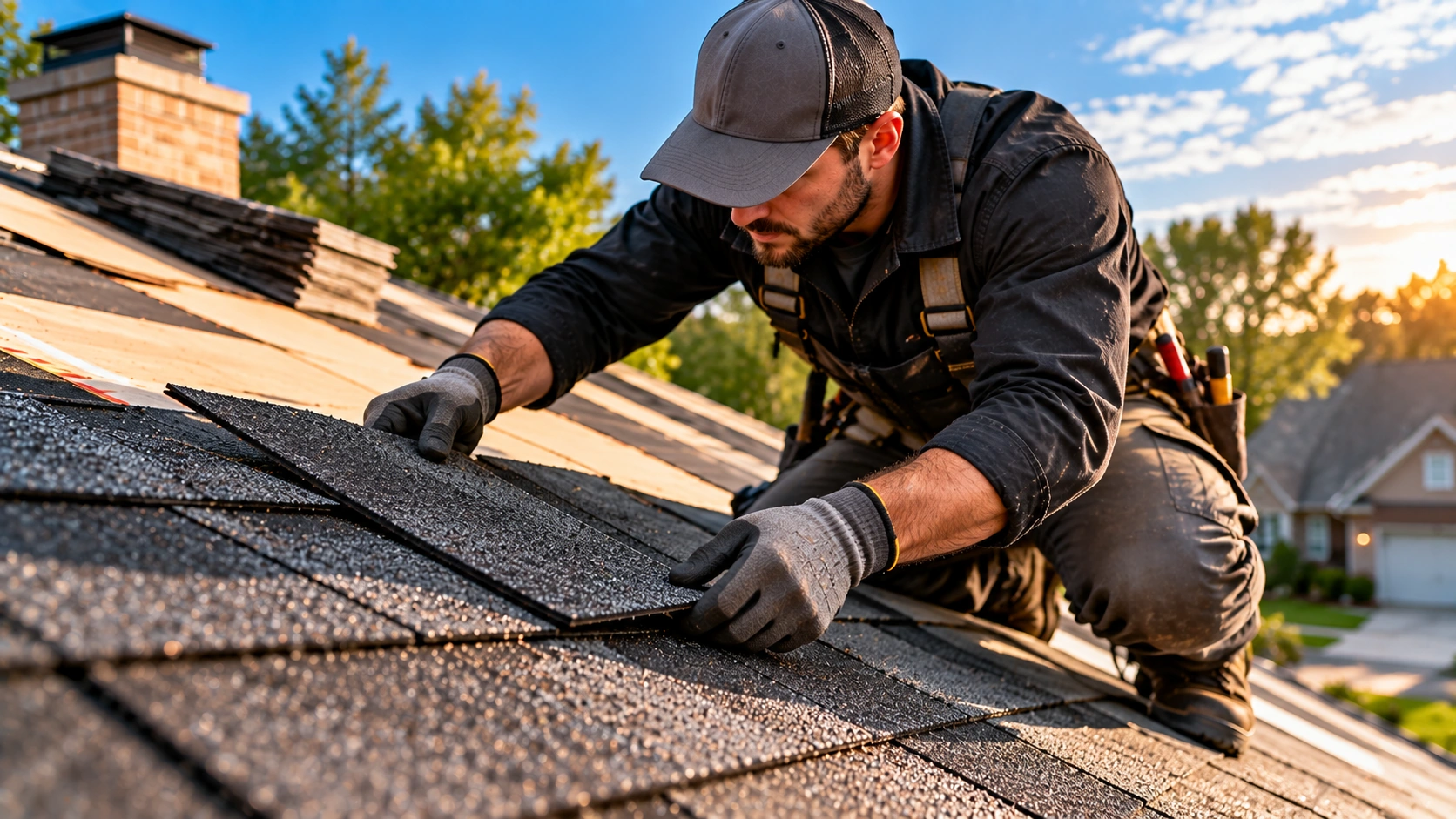
Permanent repairs address the underlying roofing components that were damaged.
That distinction matters when insurance is involved. North Carolina’s Department of Insurance advises homeowners to make necessary temporary repairs to prevent additional damage but generally avoid permanent repairs until the insurer has had an opportunity to inspect the property and the repair cost has been addressed with the insurer.
If the damage involves hail, wind, or another major weather event, Lane’s storm damage roofing service provides a more specific next step for evaluating storm-related roofing problems.
When Does Storm Damage Need Emergency Roof Repair?
Not every damaged roof creates an immediate emergency.
A few damaged shingles that aren’t allowing water inside may still require attention, but the situation is different from an exposed roof deck during heavy rain.
Emergency attention becomes more important when water is actively entering the home, roofing materials have been torn away, a tree has struck the structure, flashing around a major penetration has failed, or damage has left part of the roofing system exposed.
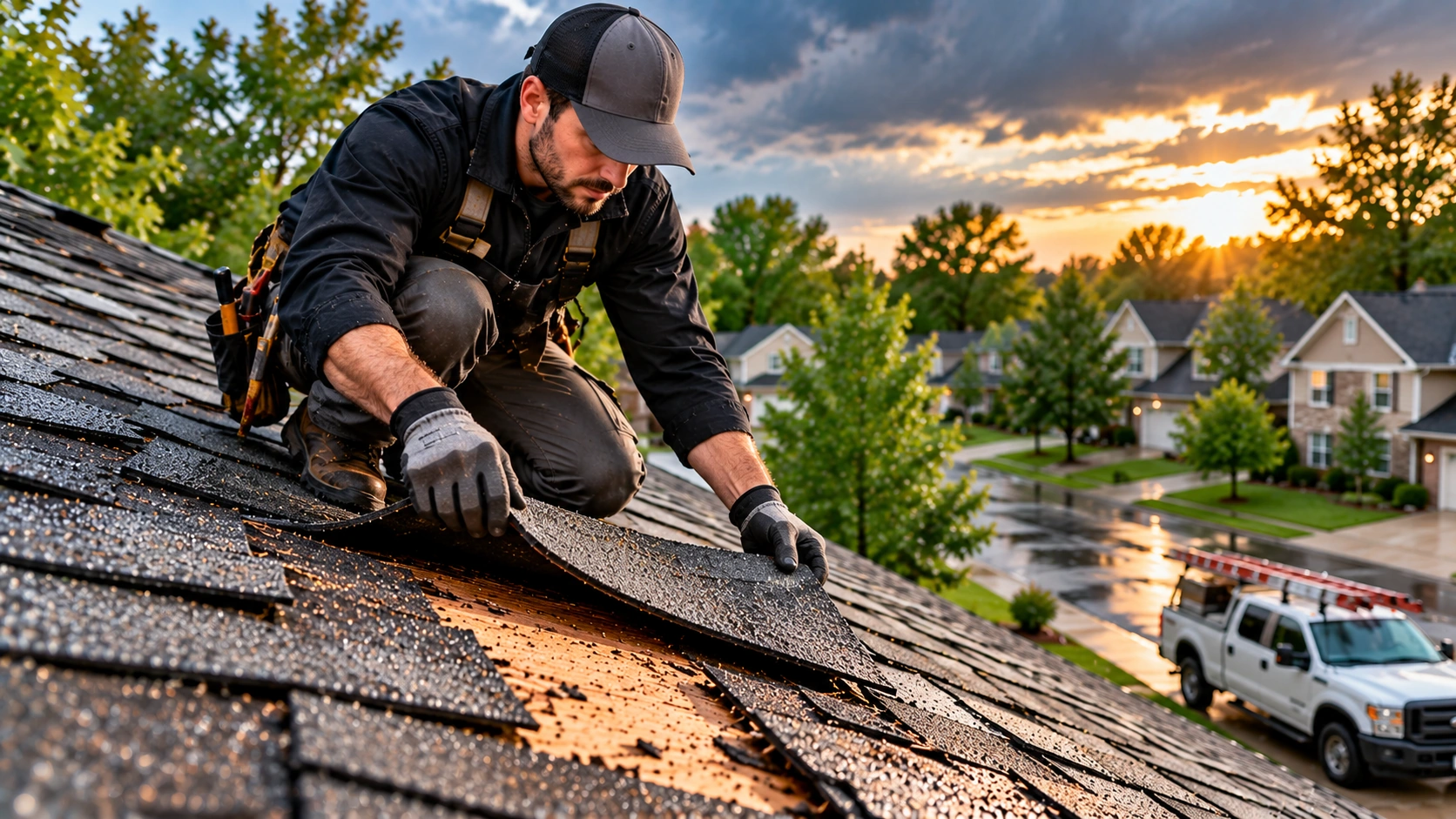
Imagine a storm removes shingles from a small section over an attic. The interior ceiling may still be dry immediately afterward. If another rainstorm arrives before the exposed area is protected, however, water can reach the decking and insulation.
Addressing the opening early can help limit the amount of additional damage that occurs while the permanent repair is being planned.
Should You Repair the Roof or Replace It After Storm Damage?
Storm damage doesn’t automatically mean the entire roof needs replacement.
The right response depends on what was damaged, how extensive the damage is, the condition of the surrounding roofing system, and whether a reliable repair can be completed.
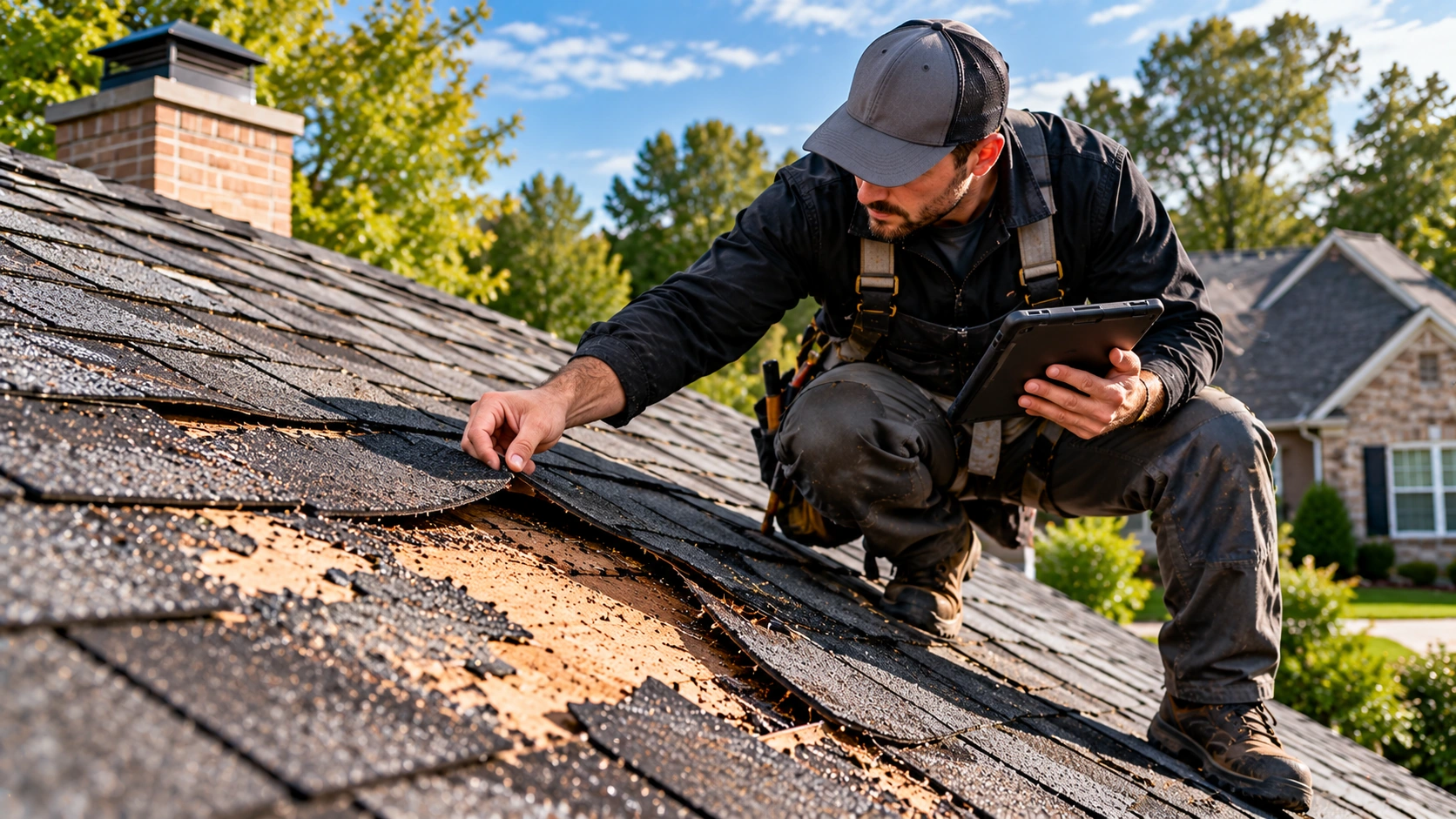
Localized damage may sometimes be handled with targeted repairs. More widespread problems may require a broader solution.
Repair May Make Sense for Limited Damage
A repair may be appropriate when damage is confined to a manageable area and the rest of the roofing system remains serviceable.
Examples could include a limited number of damaged shingles, isolated flashing problems, or a small area affected by falling debris.
Replacement May Become Relevant With Widespread Damage
A different conversation may be necessary when storm damage affects large sections of the roof or reveals problems with an already aging roofing system.
The goal shouldn’t be to replace a roof simply because a storm occurred. It should be to determine which approach properly addresses the actual condition of the roof.
Homeowners facing that decision can review Lane’s roof replacement services and its guide on how to know when it’s time to replace your roof for additional context.
How Does a Storm Damage Roof Inspection Work?
A storm damage inspection looks beyond the easiest areas to see.
The roofer may examine shingles, flashing, valleys, ridge areas, penetrations, vents, gutters, drainage components, and other accessible parts of the roofing system. Interior evidence may also help identify possible water entry.
The purpose is to understand where damage exists and how it affects the roof as a system.
For example, a missing shingle may appear to be the main problem from the ground. A closer inspection could show that nearby shingles have also loosened or that flashing in the same area has shifted.
On the other hand, an alarming-looking mark may turn out to have little effect on the roof’s ability to perform.
A proper inspection helps separate visible appearance from actual roofing problems.
For a deeper explanation of hail, wind, and storm-related roofing concerns, homeowners can also review Storm Damage Roof Repair: What You Need To Know.
How Should You Handle a Homeowners Insurance Claim?
Insurance policies vary, so homeowners should avoid assuming that a particular type of damage will automatically be covered.
Review your policy and speak directly with your insurer or agent about your specific situation.
For North Carolina homeowners, the Department of Insurance recommends contacting the insurance company promptly, documenting the loss, making reasonable temporary repairs to prevent further damage, and avoiding permanent repairs until the insurer has had an opportunity to inspect the property.
Wind and hail deductibles can also differ from other deductibles, depending on the policy. The North Carolina Department of Insurance advises policyholders to review the declarations page and speak with their insurance company about how windstorm or hail coverage applies.
Your roofing contractor and your insurance company also have different roles.
The contractor evaluates the roof and develops the scope and cost of roofing work. The insurer determines coverage according to the terms of the insurance policy.
Keeping those roles clear can make the process easier to understand.
Be Careful With Contractors Who Appear After Major Storms
Large storms often create a sudden increase in repair demand. They can also bring aggressive door-to-door sales activity.
A homeowner dealing with a leaking roof may feel pressure to make a decision immediately, but emergency conditions don’t eliminate the need to check who will be working on the property.
Ask for clear written information about the proposed work, materials, costs, timeline, warranties, and payment terms. Read documents before signing them and avoid agreements you don’t understand.
North Carolina’s Department of Insurance specifically warns homeowners about post-storm roofing scams and recommends avoiding high-pressure tactics, reviewing contracts carefully, confirming permit requirements when applicable, and getting the proposed work in writing.
You can also review Lane’s Contracting’s GAF Master Elite information when researching roofing credentials and manufacturer-related qualifications.
What Happens if Storm Damage Is Left Unrepaired?
A small damaged area can become harder to manage if water continues entering the roofing system.
Moisture may affect roof decking, insulation, drywall, ceilings, and other building materials. Repeated exposure can also make it harder to determine which damage came from the original storm and which developed afterward.
Consider a lifted shingle that allows only a small amount of water underneath during the first storm. Nothing may appear inside the home. Several weeks of additional rain can change the situation.
The practical reason to inspect storm damage early isn’t to create urgency where none exists. It is to understand the roof’s condition before repeated weather exposure has an opportunity to turn a limited problem into a broader one.
Can Storm Damage Affect Siding and Windows Too?
Roofing often receives the most attention after hail and wind, but the rest of the exterior should also be checked.
Windblown debris may damage siding panels, trim, screens, window components, gutters, and exterior fixtures. Hail can affect several exterior surfaces during the same event.
If you notice cracked, loose, punctured, or missing siding, Lane’s siding repair service covers exterior siding problems that may need professional attention.
Windows should also be checked for cracked glass, damaged screens, frame problems, seal issues, or impact marks. When damage is significant enough that replacement becomes necessary, review the available window replacement services.
Looking at the entire exterior can help you understand the full scope of storm damage instead of focusing only on the most obvious roofing problem.
Planning Your Next Step After Roof Storm Damage
After a storm, you don’t need to know immediately whether your roof needs a minor repair, extensive restoration, or replacement.
You need accurate information about its condition.
Start with safety. Document what you can see. Protect exposed areas from additional weather when it can be done safely. Contact your insurance company if you’re filing a claim, and arrange a professional inspection before deciding on permanent roofing work.
If your property has been affected by hail, strong winds, falling debris, or another severe weather event, Lane’s Contracting can inspect the damage and explain the available repair options.
Request a free estimate to have your roof evaluated and determine the appropriate next step.