


Most roof problems do not begin with water suddenly pouring through the ceiling. The earliest warning signs are usually much easier to miss. A shingle lifts after a storm. A ceiling stain appears and fades. Granules collect near a downspout. Flashing begins pulling away from a wall. One section of the roof starts looking different from the rest.
These changes do not automatically mean the entire roof is failing, but they can indicate that part of the roofing system needs attention.
Your roof works as a connected system made up of shingles, flashing, underlayment, roof decking, ventilation, penetrations, drainage components, and structural materials. When one component stops performing correctly, nearby materials may eventually be affected as well.
Recognizing the early signs you need roof repair gives you time to identify the cause before the problem becomes harder to manage.
If something about your roof has changed recently, scheduling a professional roof inspection is usually the most useful starting point.
Why Small Roof Problems Can Become Larger Problems
Roof damage can develop for some time before it becomes obvious inside the home.
Water may enter beneath damaged roofing materials and travel along decking, framing, or other surfaces before finally appearing as a ceiling stain. The place where water becomes visible indoors may not be directly beneath the point where it entered.
That is why early warning signs should be considered together rather than individually.
Common signs include:
- Missing shingles
- Cracked or curling shingles
- Lifted roofing materials
- Ceiling stains
- Damp attic insulation
- Damaged flashing
- Excessive granule loss
- Moss growth
- Sagging roof areas
- Storm damage
- Exposed fasteners
- Recurring leaks
- Water around vents or chimneys
- Debris collecting in roof valleys
- Repeated repairs across different areas
A localized problem may be suitable for professional roof repair. When deterioration appears across several areas, the roof may need a more complete evaluation.
Ceiling Stains and Interior Moisture Can Signal Roof Trouble
Many homeowners first notice roof problems from inside the house.
A yellow or brown mark near the ceiling may indicate moisture intrusion, particularly if it becomes darker during or shortly after rain.
Recurring Ceiling Stains
A stain that disappears when dry and returns after rain should not be ignored.
Water may travel along rafters, decking, pipes, or other materials before it reaches the finished ceiling.
For that reason, repairing or painting over the visible stain does not address the source.
A professional roof repair should begin by identifying where the moisture is entering rather than simply treating the interior symptom.
Peeling Paint or Bubbling Drywall
Moisture behind finished surfaces can cause paint to peel, bubble, or discolor.
Roof leaks are one possible cause, but plumbing leaks, condensation, wall leaks, and ventilation problems can create similar symptoms.
The timing can provide useful context. Damage that repeatedly appears after rainfall makes a roof-related source more likely to investigate.
Damp Attic Insulation
The attic can reveal problems earlier than finished living spaces.
Watch for:
- Damp insulation
- Water trails
- Darkened roof decking
- Rust around metal components
- Moisture near vents
- Damp framing
- Musty odors
These symptoms can help a contractor connect the interior evidence with the roofing components above.
If water is entering heavily or part of the roof has become exposed, emergency roof repair may be more appropriate than waiting for a routine inspection.
Damaged Shingles Are One of the Clearest Signs You Need Roof Repair
Shingles form the visible exterior layer of many residential roofing systems.
A small amount of localized damage does not automatically mean roof replacement is necessary. The condition of the surrounding materials matters just as much as the damaged shingle itself.
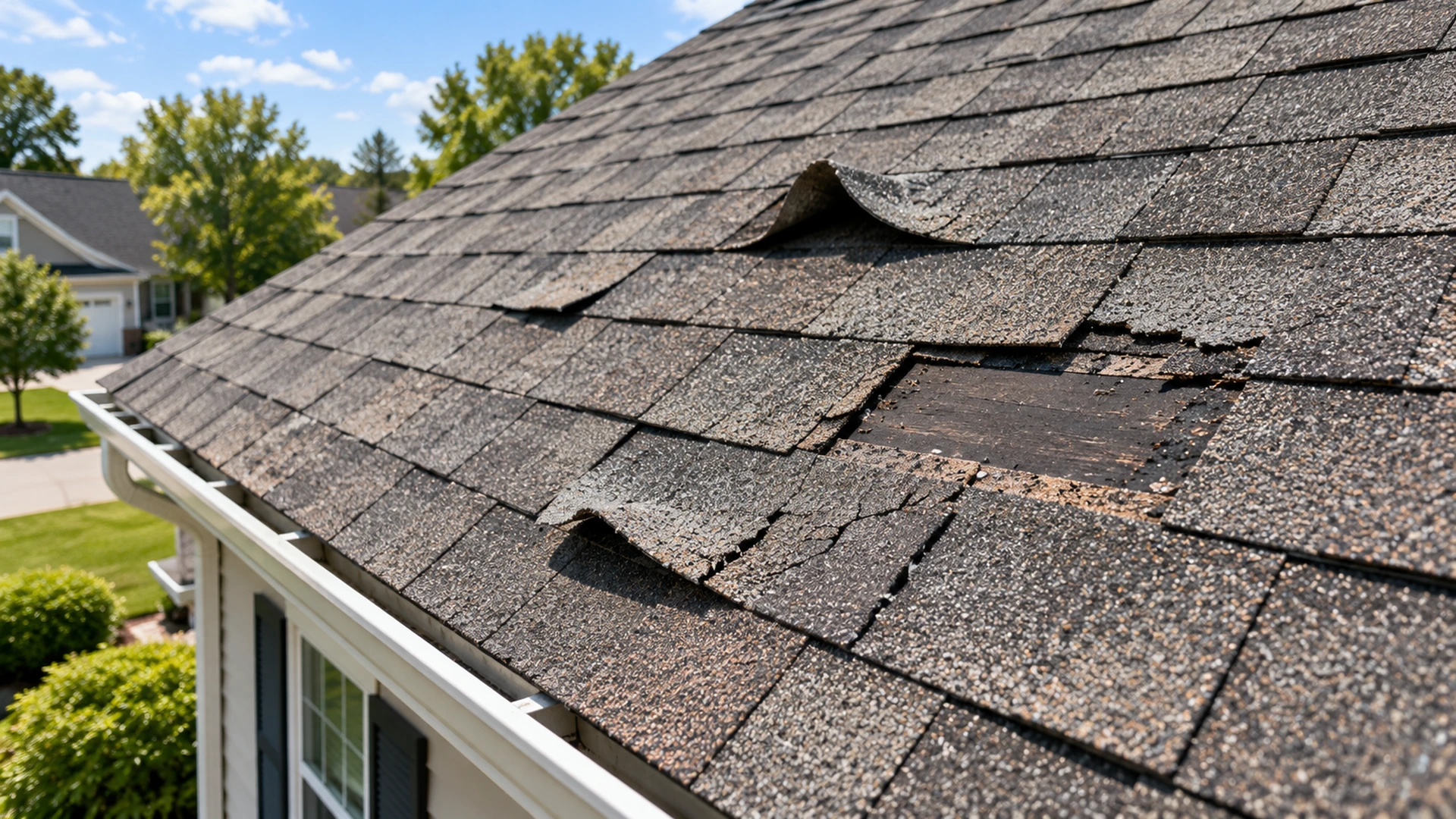
Missing Shingles
Missing shingles create an obvious interruption in the roofing surface.
One missing shingle may indicate an isolated problem. Several missing shingles spread across different slopes can indicate more extensive wind or material damage.
Lifted Shingles
Shingles may remain attached while lifting along an edge or corner.
This damage can be difficult to spot from the ground, particularly when the lifted portion is small.
Wind-driven rain may be able to reach areas beneath roofing materials when edges no longer sit properly.
Cracked Shingles
Cracking can affect individual shingles or broader roof areas.
A contractor evaluating cracked shingles should look at both the damaged piece and the surrounding roof condition before recommending work.
Curling or Distorted Shingles
Shingles that curl, cup, buckle, or no longer sit flat deserve attention.
Widespread distortion may indicate that the issue extends beyond one repair location.
Homeowners who want to understand the available options can review Lanes Contracting’s complete roofing services, including inspections, repairs, storm-related work, and replacement.
Granule Loss Can Reveal Asphalt Shingle Deterioration
Asphalt shingles contain mineral granules across their exposed surface.
Finding a few loose granules does not automatically indicate roof failure. The more important questions are how much material is being lost and whether the loss is concentrated in particular areas.
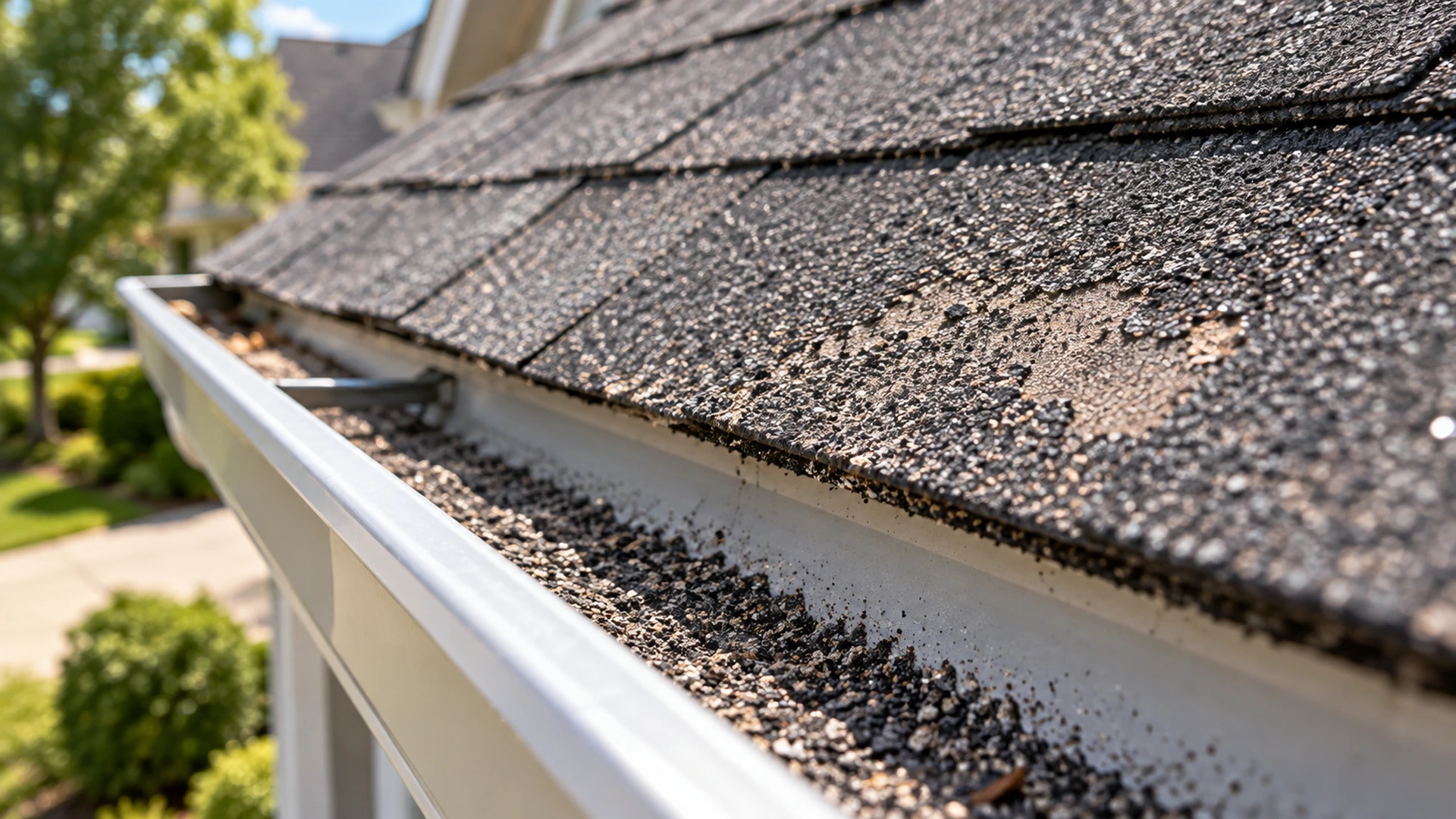
Bare or Darker-Looking Shingles
Sections that look smoother, darker, or noticeably different from surrounding shingles may have experienced greater surface wear.
Localized loss may involve physical damage.
Similar changes across much of the roof can suggest a broader condition.
Granules Around Downspouts
Granules can wash from the roof into gutters and eventually appear near downspout discharge areas.
A sudden increase deserves more attention than a small amount of scattered material.
Combine This Sign With Other Evidence
Granule loss becomes more significant when it appears alongside:
- Cracked shingles
- Curling
- Missing materials
- Recurring leaks
- Bare roof areas
- Repeated repairs
If deterioration is widespread, homeowners may want to compare repairs with roof replacement services rather than evaluating each damaged shingle separately.
Moss, Algae, and Organic Growth Can Hide Roofing Problems
Dark streaks or green growth are common enough that homeowners may consider them only an appearance issue.
Different types of growth affect roofs differently.
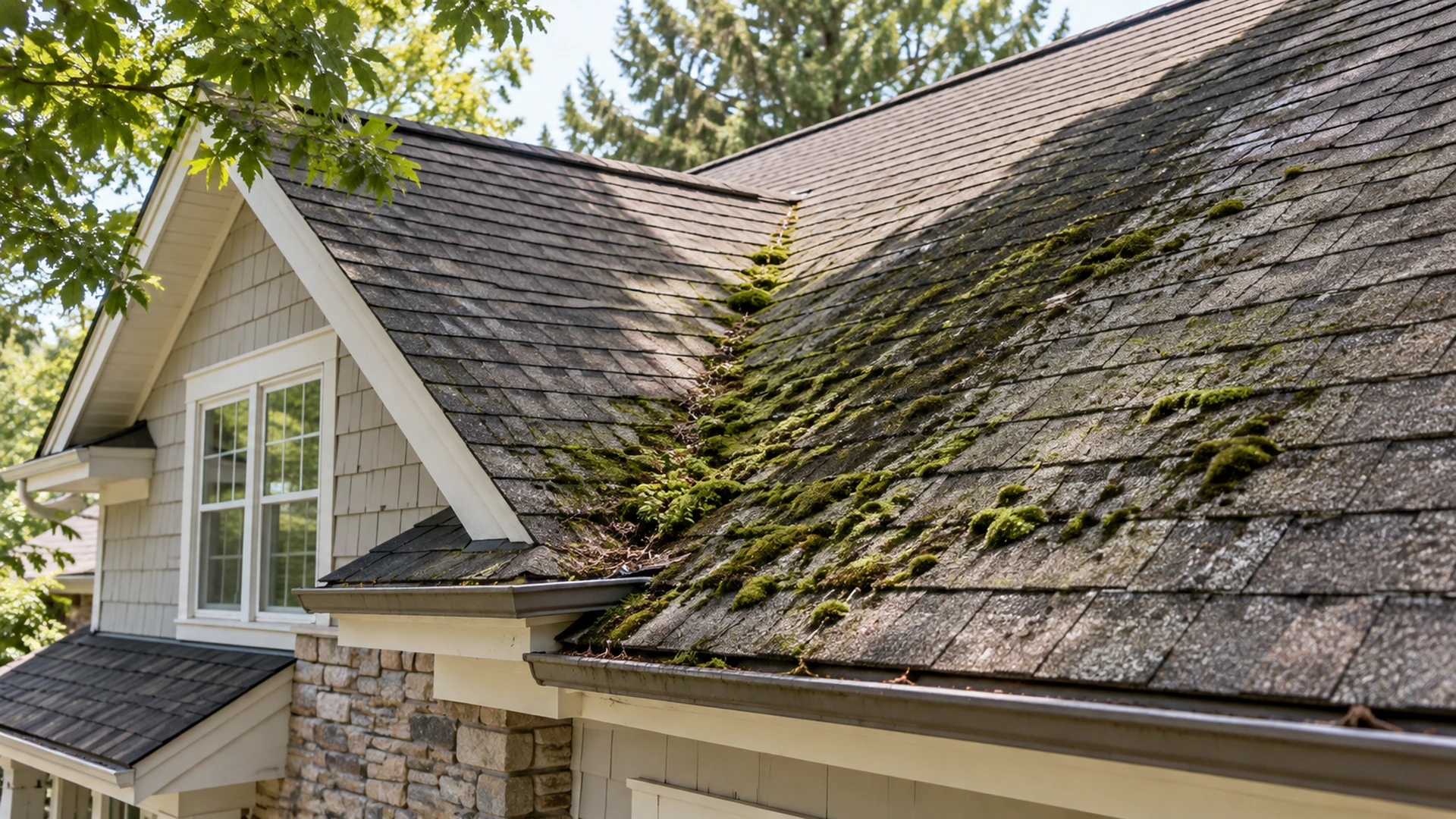
Algae can create dark discoloration without necessarily indicating structural roof damage. Moss deserves more attention because it can hold moisture against roofing materials and grow around shingle edges.
Look for:
- Thick moss along shingle edges
- Vegetation between shingles
- Debris remaining wet for long periods
- Moss concentrated on shaded roof areas
- Shingles appearing lifted around growth
- Organic material collecting in valleys
Heavy tree cover and shaded roof sections may stay damp longer than areas receiving more sunlight.
Avoid scraping, aggressively brushing, or pressure washing asphalt shingles. Rough cleaning methods can damage the roofing surface.
If growth appears alongside cracked shingles, leaks, granule loss, or other visible deterioration, include it when arranging a roof inspection.
Daylight in the Attic Can Reveal Hidden Roof Openings
A simple attic check during daylight can sometimes reveal openings that are difficult to see from outside.
Unexpected points of daylight may indicate gaps around:
- Roofing materials
- Roof penetrations
- Flashing
- Damaged decking
- Vents
- Previous repair areas
Not every visible opening represents damage. Properly designed ventilation openings can allow light into parts of an attic.
The location and surrounding condition need to be considered.
If daylight appears alongside water staining, wet insulation, or damaged decking, professional evaluation becomes more important.
Attic evidence can be particularly useful when an interior leak has no obvious exterior source.
Poor Attic Ventilation Can Create Symptoms That Look Like Roof Damage
Not every moisture problem begins with rain entering through the roof.
Poor attic ventilation can allow heat and moisture to build up beneath the roof deck.
Possible signs include:
- Condensation beneath roof decking
- Persistent attic humidity
- Damp insulation
- Moisture around nails or metal components
- Excessive attic heat
- Blocked roof vents
- Peeling exterior paint near the roofline
Higher heating or cooling bills may sometimes appear alongside ventilation or insulation problems, but energy costs alone should not be used to diagnose roof damage.
Windows, insulation, HVAC performance, weather, and air leakage can all affect household energy use.
A professional assessment can help determine whether moisture is coming through the roof or developing beneath it because of ventilation conditions.
Homeowners dealing with multiple exterior efficiency concerns can also review Lanes Contracting’s broader services, which include roofing, siding, and window work.
Flashing Problems Can Cause Leaks Even When Shingles Look Fine
Many roof leaks develop around transitions rather than in the middle of an uninterrupted roof slope.
Flashing helps direct water away from areas where different building components meet.
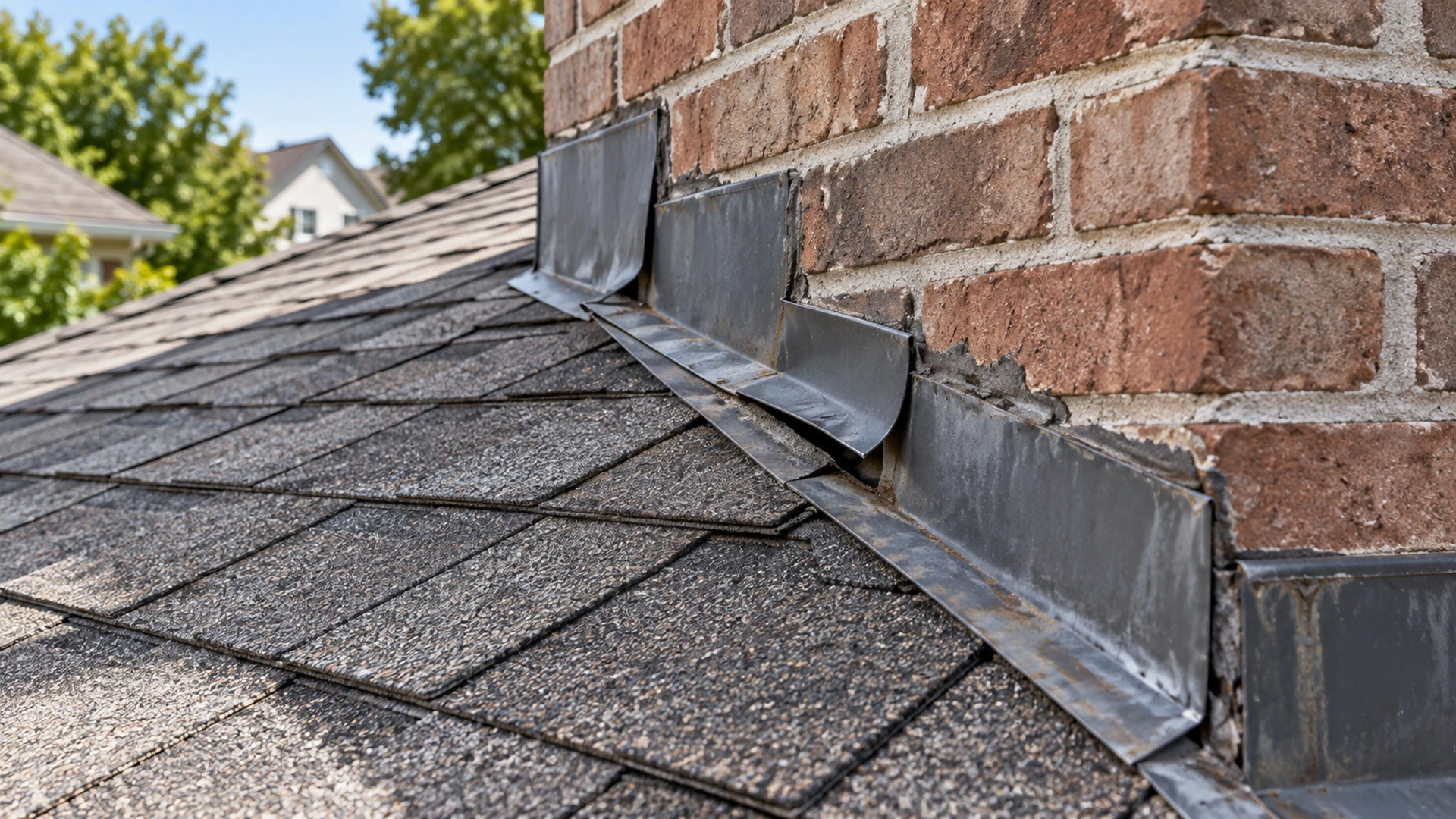
Common locations include:
- Chimneys
- Sidewalls
- Dormers
- Valleys
- Plumbing vents
- Exhaust vents
- Skylights
- Roof intersections
Loose, corroded, displaced, or improperly sealed flashing can allow moisture beneath nearby roofing materials.
Chimney and Wall Intersections
Roof-to-wall transitions handle significant amounts of runoff.
Problems in these areas can produce leaks that appear several feet away from the original entry point.
Vents and Pipe Penetrations
Every opening through the roof requires proper waterproofing.
Damage around a pipe boot or vent flashing may create a relatively small opening that still allows repeated water entry.
Previous Repair Locations
Recurring leaks around old patches should be investigated again.
Adding another layer of sealant may hide a problem without fixing damaged material beneath it.
Homeowners with questions about common roofing situations can review the company’s roofing FAQs.
Roof Valleys Need Extra Attention
A roof valley forms where two slopes meet.
Water from both roof sections flows toward the valley before moving toward the gutter, so these areas handle more concentrated runoff than many other portions of the roof.
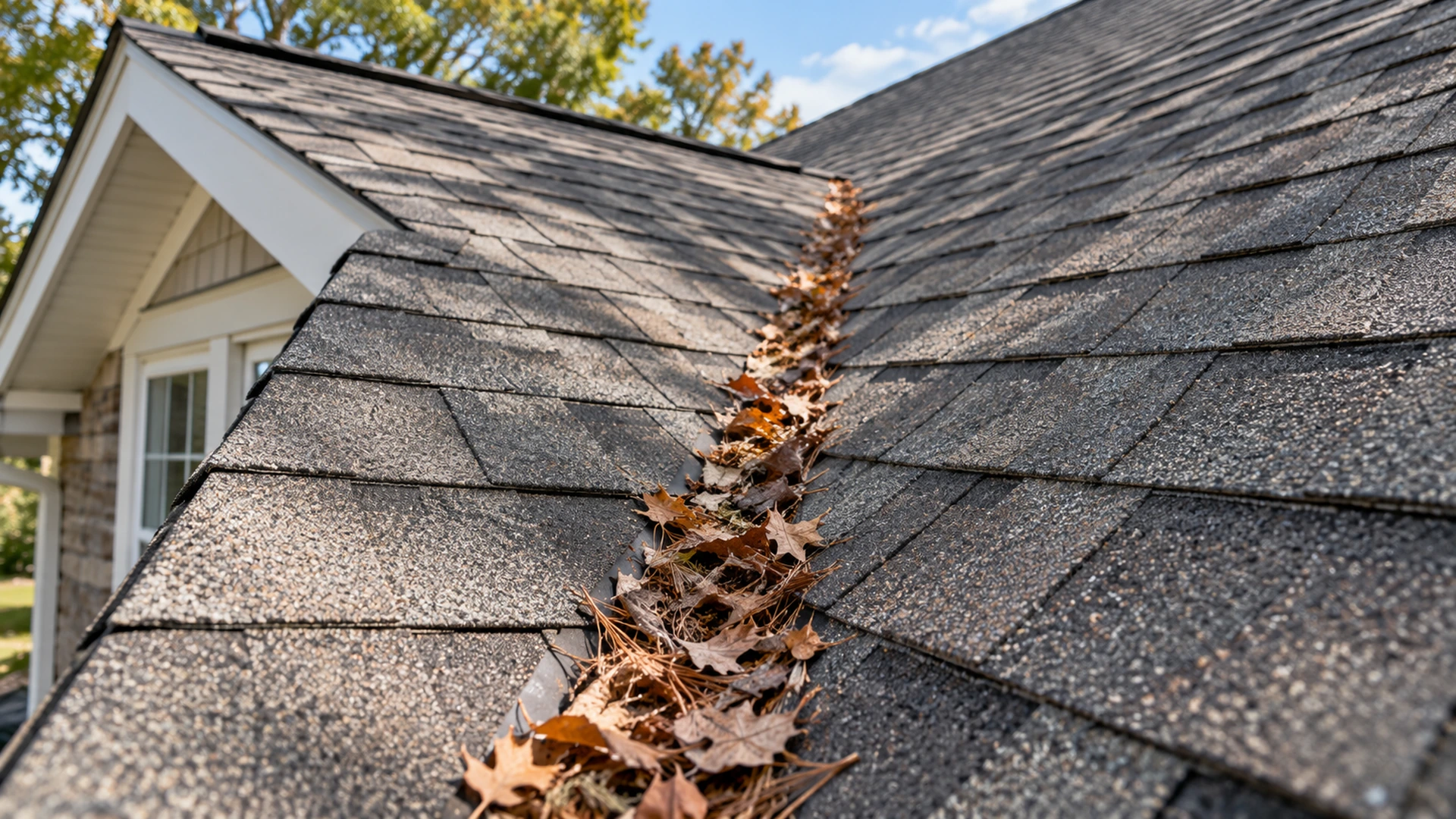
Problems can develop when:
- Shingles near the valley are missing
- Roofing materials crack
- Debris collects in the channel
- Flashing moves out of position
- Water cannot drain properly
- Valley materials become worn
Leaves, branches, and organic debris can also hold moisture in the area.
If interior moisture repeatedly appears after heavy rain, valleys should be included in the inspection along with flashing, penetrations, and surrounding shingles.
Exposed or Raised Fasteners Can Create Small Water Entry Points
Roofing fasteners are easy to overlook because they are small.
However, a raised nail or improperly exposed fastener can create an opening or prevent the roofing material from lying as intended.
Fastener-related problems may appear around:
- Roof vents
- Ridge areas
- Flashing
- Previous repairs
- Roof accessories
- Metal components
- Shingle edges
Rust can also indicate prolonged moisture exposure around exposed metal.
One loose fastener may involve a limited repair. Numerous exposed or displaced fasteners should prompt a broader evaluation of the roofing area.
Gutters and Drainage Can Reveal Roof Problems
Gutters do more than move rainwater away from the house.
They can also provide evidence of what is happening on the roof.
You may find:
- Shingle granules
- Roofing fragments
- Leaves and branches
- Loose fasteners
- Excessive debris
- Water overflowing from particular areas
Drainage problems can also resemble roof leaks.
For example, overflowing gutters may send water down exterior walls or behind fascia components even when the roofing surface itself is not leaking.
An inspection should therefore consider both roof condition and drainage.
Homeowners unsure whether Lanes Contracting works in their area can review its complete service areas.
Tree Branches and Debris Can Damage More Than the Surface
A large fallen branch creates an obvious reason to inspect the roof.
Smaller tree-related damage may develop more gradually.
Branches rubbing against the roof can wear shingle surfaces. Leaves can collect in valleys and around chimneys. Falling limbs may loosen flashing or crack shingles without creating an obvious hole.
After severe weather, look safely from the ground for:
- Fallen branches
- Shingle pieces
- Debris in valleys
- Damaged gutters
- Displaced flashing
- Damaged roof vents
- Newly exposed roofing materials
Do not assume the roof is fine simply because there is no immediate interior leak.
If branches or debris struck the roof during severe weather, a storm damage roofing assessment can help determine whether damage extends beyond what is visible from the yard.
Storm Damage May Not Be Obvious Immediately
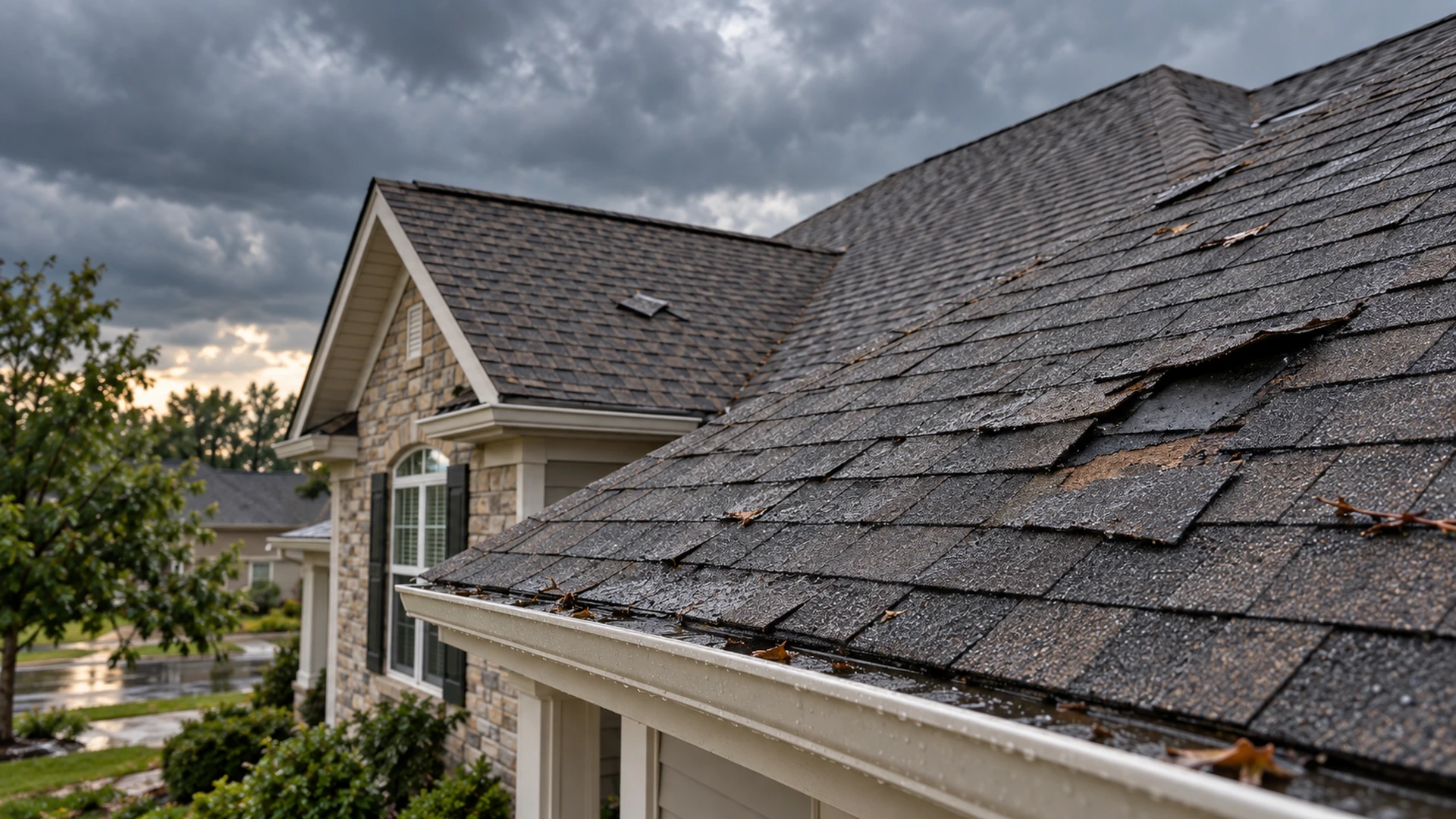
Missing shingles are only one sign of storm damage.
Wind can loosen materials without removing them. Debris can damage a small section. Hail may alter roofing surfaces in ways that are difficult to recognize from the ground.
Wind Damage
Strong wind may:
- Lift shingle edges
- Break seals
- Displace flashing
- Remove roofing materials
- Damage ridge components
A roof may still look mostly intact afterward.
Falling Debris
Branches and windblown objects can create localized impact damage.
Even after the debris is removed, the area it struck should be inspected.
Hail
Hail-related changes can be difficult for homeowners to identify accurately.
Different forms of normal wear and physical impact can look similar without closer inspection.
When storm damage is confirmed, Lanes Contracting’s storm damage roof repair information can help homeowners understand what may happen next.
A Sagging or Uneven Roofline Should Not Be Ignored
Surface-level shingle damage and structural-looking changes should not be treated the same way.
A visible dip, bow, or sag deserves professional attention.

The condition may involve:
- Roof decking
- Structural framing
- Previous moisture exposure
- Construction issues
- Other underlying materials
The exact cause cannot be determined safely from the yard.
Do not walk across a section of roofing that appears weak or unstable.
Document the condition from the ground and arrange an inspection.
If the structural change appears sudden or significant, mention that specifically when contacting the contractor.
Your Roof’s Repair History Can Reveal Important Patterns
Roof age is useful information, but it does not tell the whole story.
Two roofs installed at approximately the same time can have very different conditions because of weather exposure, ventilation, installation quality, tree cover, storm history, and previous repairs.
Try to gather any information you have about:
- Installation date
- Previous leaks
- Past repairs
- Storm damage
- Flashing replacement
- Vent work
- Previous inspections
- Warranty information
- Roofing work completed before you purchased the house
Repeated repairs in the same area may suggest that the original source was never fully resolved.
Repairs appearing across multiple unrelated sections can suggest a broader pattern.
If problems keep returning, reviewing how to know when it’s time to replace your roof can help provide context before discussing options with a contractor.
When Is the Best Time to Check Your Roof?
You do not need to wait for an active leak before paying attention to roof condition.
Several situations provide useful opportunities for inspection.
After Strong Wind
Look for missing shingles, displaced materials, branches, and roofing debris in the yard.
After Severe Storms
Inspect what you can safely see from the ground, particularly gutters, vents, valleys, and roof edges.
After Heavy Rain
Look inside the attic for new stains, damp insulation, or moisture trails.
While Cleaning Gutters
Pay attention to roofing granules, shingle fragments, unusual debris, and drainage problems.
When Buying a Home
Roof condition can affect future repair and replacement planning.
When Something Suddenly Looks Different
A new stain, lifted shingle, damaged flashing, or unusual roofline change is enough reason to investigate.
Repeated Roof Repairs Can Signal a Larger Pattern
One isolated repair does not mean a roof is failing.
Several unrelated repairs within different portions of the roof deserve more consideration.
Imagine repairing a leak near a vent, then dealing with damaged shingles on another slope, followed later by moisture near a wall intersection.
Each issue may be repairable individually.
Together, they may indicate that deterioration is becoming more widespread.
Ask:
- Are repairs occurring in the same place?
- Are new problems developing elsewhere?
- Are surrounding materials still in good condition?
- Is moisture affecting the decking?
- Are multiple roof components deteriorating?
These questions help determine whether another isolated repair still makes sense.
When Roof Replacement Becomes Part of the Discussion
Seeing roof damage does not automatically mean replacement is necessary.
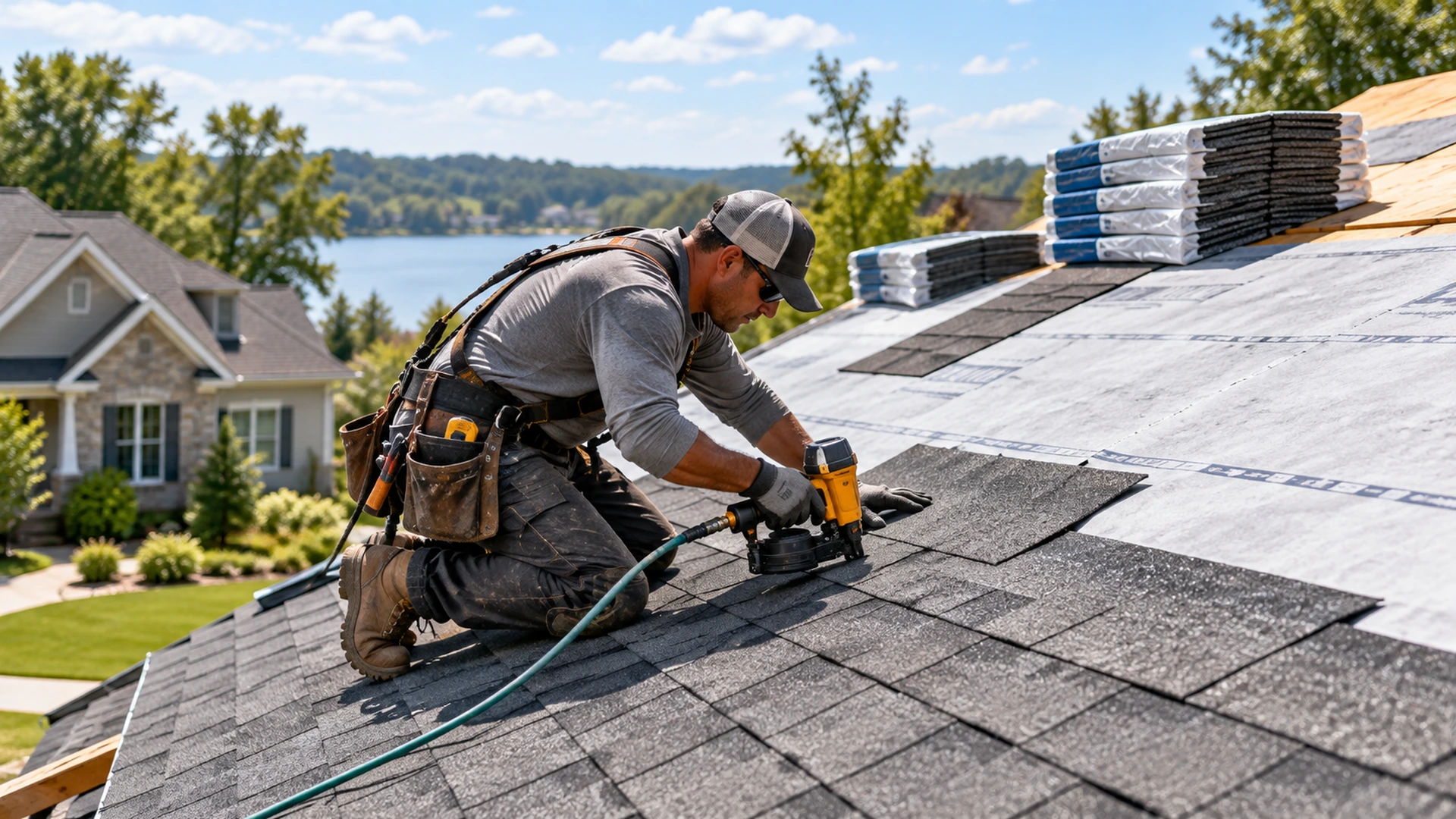
Repair and replacement solve different problems.
Localized Damage
Repair can make sense when damage is limited and nearby materials remain serviceable.
Examples may include:
- Several damaged shingles
- A localized flashing issue
- A damaged vent component
- A small storm-affected section
Widespread Deterioration
Replacement may become more relevant when:
- Problems affect several roof slopes
- Leaks repeatedly occur in unrelated places
- Roofing materials are deteriorating throughout
- Numerous repairs have already been performed
- Larger areas beneath the roof have been affected
The decision should be based on actual condition rather than age alone.
North Carolina homeowners can also review the company’s guide on when a North Carolina home needs roof replacement for additional context.
If a larger roofing project becomes necessary, Lanes Contracting also provides information about available financing options.
A Roof Problem Is Not Always a Roof Leak
Water appearing near a ceiling naturally makes homeowners suspect the roof.
Sometimes that assumption is correct.
Other possible moisture sources include:
- Plumbing leaks
- HVAC condensation
- Bathroom ventilation problems
- Attic condensation
- Exterior wall leaks
- Window leaks
- Chimney-related moisture
The timing of the problem can provide useful clues.
Moisture that repeatedly appears during rain makes exterior water entry more likely, but the exact source still needs to be identified.
Avoid approving roofing work based only on the location of an interior stain.
Finding the moisture source should come first.
What a Professional Roof Inspection Should Determine
A useful inspection should provide more information than simply saying the roof is good or bad.
It should help answer several practical questions.

What Caused the Problem?
The contractor should try to connect the visible symptom with its source.
How Much of the Roof Is Affected?
Knowing whether the issue is localized or widespread helps determine the appropriate response.
Did Water Reach Materials Beneath the Roof?
Decking, insulation, flashing, or other components may also need evaluation.
Are There Developing Problems Nearby?
The inspection should consider surrounding materials rather than focusing only on the exact place where damage was first noticed.
What Are the Available Options?
A good recommendation should explain whether repair is appropriate, whether additional monitoring is reasonable, or whether replacement deserves consideration.
Homeowners researching roofing qualifications can review Lanes Contracting’s GAF Master Elite information.
You can also review the company’s testimonials when evaluating past customer experiences.
What Happens During a Typical Roof Repair?
The exact process depends on the cause and type of damage.
A targeted repair may involve:
- Identifying the source of the problem.
- Removing damaged roofing materials.
- Checking the exposed area beneath them.
- Replacing damaged decking when necessary.
- Restoring underlayment or protective materials.
- Repairing flashing or penetrations.
- Installing compatible roofing materials.
- Checking the repaired area.
- Removing roofing debris.
The goal should be to address the source rather than simply cover the visible symptom.
For example, painting over an interior stain does not repair damaged flashing. Applying sealant to the same area repeatedly may also fail if damaged material exists underneath.
Questions to Ask Before Approving Roof Repair
Before moving forward with roofing work, ask:
- What caused the problem?
- How large is the damaged area?
- Did water reach the decking?
- Are surrounding shingles still in usable condition?
- Does flashing need replacement?
- Are there similar problems elsewhere?
- Is the proposed repair intended as a long-term fix?
- Will replacement materials work properly with the existing roof?
- Is any warranty affected?
- What should I monitor after the repair?
Clear answers make it easier to understand why particular work is being recommended.
If several unrelated areas are deteriorating, ask the contractor to explain how continued repairs compare with replacement rather than looking at each repair independently.
When a Roof Problem Needs Faster Attention
Not every warning sign is an emergency.
Some conditions deserve faster action, including:
- Active interior leaks
- Major storm damage
- Large areas of missing roofing material
- Visible structural sagging
- Exposed decking
- Fallen debris that has damaged the roof
- Water entering near electrical components
- Roofing materials falling from the structure
Safety comes first.
Avoid climbing onto wet, damaged, steep, or unstable roofing.
When contacting the contractor, explain exactly what you can see so the situation can be evaluated appropriately.
What to Do When You Notice Signs You Need Roof Repair
Start by documenting what you can safely observe.
Take photographs of:
- Interior stains
- Missing shingles
- Roofline changes
- Fallen roofing materials
- Storm debris
- Damaged gutters
- Moss growth
- Visible flashing problems
Pay attention to when the problem appears.
If moisture becomes visible only during certain weather conditions, mention that during the inspection.
Avoid climbing onto the roof just to get a closer photograph.
The next step is to arrange an inspection and get clear answers to three questions:
- What caused the problem?
- How much of the roofing system is affected?
- Is repair or replacement the more practical response?
If you’re seeing warning signs around your roof, contact Lanes Contracting to request a free estimate and have the condition evaluated before a manageable problem becomes more difficult to address.