

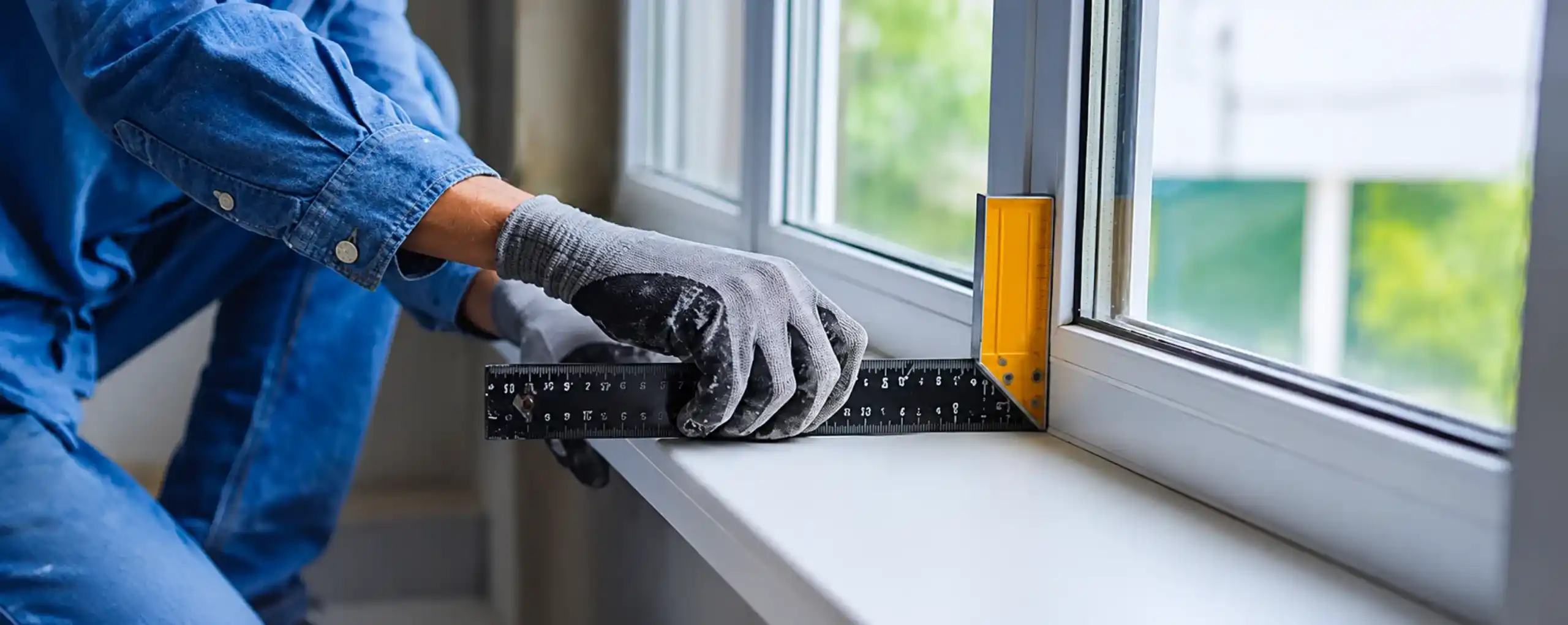
Windows do much more than provide natural light and outdoor views. They are an important part of your home’s insulation system and can have a major effect on indoor comfort, heating and cooling costs, and overall energy use. Older or poorly sealed windows can allow conditioned air to escape while letting unwanted outdoor heat or cold enter your living space.
If your home feels drafty near the windows, certain rooms are consistently hotter or colder, or your energy bills keep increasing, upgrading your windows may be worth considering.
Modern energy-efficient windows are designed with improved glass, insulated frames, specialized coatings, and better seals to reduce unwanted heat transfer. According to the U.S. Department of Energy, features such as multiple panes, low-emissivity coatings, gas fills, and improved frame materials can significantly improve window performance.
What Are Energy-Efficient Windows?
Energy-efficient windows are designed to reduce heat transfer between the inside and outside of your home. They help limit heat gain during warmer months and heat loss during colder weather.
Unlike older single-pane products, modern designs can combine multiple technologies to improve insulation. These may include:
- Double- or triple-pane glass
- Low-E glass coatings
- Argon or krypton gas between panes
- Insulated frames
- Improved spacers
- Weather-resistant seals
- Reduced air leakage
The right combination depends on your home’s climate, window orientation, existing construction, and specific comfort needs.
A window’s performance can also be evaluated using ratings such as U-factor and Solar Heat Gain Coefficient (SHGC). The Department of Energy explains that U-factor measures thermal transmittance, while SHGC indicates how much solar heat enters through the window.
Why Upgrade Your Windows?
Replacing outdated windows is not only about appearance. A properly selected and installed product can improve several aspects of your home.
1. Lower Heating and Cooling Costs
Old windows may allow conditioned air to escape through gaps, worn seals, or poorly insulated frames. This forces your HVAC system to work harder to maintain the temperature you want.
Energy-efficient products can reduce unwanted heat transfer and air leakage. ENERGY STAR notes that qualified windows can reduce household heating and cooling energy use, although actual savings depend on the home’s location, existing windows, and other factors.
While replacing windows should not be viewed as an instant guarantee of a specific dollar amount saved, better-performing windows can contribute to lower energy consumption over time.
2. Improve Indoor Comfort
Do you have a room that is always warmer in summer or colder in winter?
Windows can be one reason. Inefficient glass and frames may create uncomfortable temperature differences around the home.
Better-insulated windows can help maintain more consistent indoor temperatures and reduce drafts. This means your living areas can feel more comfortable without constantly adjusting the thermostat.
3. Reduce Drafts and Air Leakage
A window can look perfectly fine while still allowing outdoor air to enter.
Worn weatherstripping, deteriorated caulking, failed seals, or gaps around the frame can contribute to air leakage. Recent guidance from Angi also highlights drafts, damaged seals, and deteriorated caulking as common signs that windows may be contributing to energy loss.
In some situations, repairing the existing window may be enough. In others, replacement may provide a better long-term solution.
4. Block Unwanted Solar Heat
Sunlight is valuable for natural illumination, but excessive solar heat can make certain rooms uncomfortable.
Low-E coatings are designed to manage heat transfer while allowing visible light into your home. The Department of Energy reports that low-E coatings can reduce energy loss substantially compared with standard glazing.
For rooms receiving strong direct sunlight, choosing the appropriate SHGC can be especially important.
5. Protect Furniture and Interior Finishes
Ultraviolet exposure can contribute to fading of carpets, furniture, artwork, flooring, and window treatments.
Specialized glass coatings can help reduce UV exposure. ENERGY STAR-qualified products use advanced technologies designed to improve energy performance while helping protect interior furnishings from damaging sunlight.
This makes window replacement an investment in both comfort and interior preservation.
Important Features to Look For
Not every replacement window performs the same way. When comparing options, look beyond appearance and price.
Double- and Triple-Pane Glass
Multiple panes create insulating spaces between layers of glass. These spaces can be filled with inert gases such as argon to reduce heat transfer.
Triple-pane designs provide another layer of insulation and may be particularly useful where higher thermal performance is needed.
Low-E Glass
Low-emissivity glass has a very thin coating that helps control radiant heat transfer. Depending on the product and climate, it can help keep heat outside during warmer conditions or retain warmth indoors during colder weather.
Insulated Frames
The frame matters just as much as the glass. Materials such as vinyl, fiberglass, wood, and certain composites generally provide greater thermal resistance than conventional metal frames.
Quality Seals and Weatherstripping
Even highly insulated glass cannot perform properly if air is leaking around the window. Proper seals, weatherstripping, and installation are essential components of overall performance.
Signs You May Need Window Replacement
Not every older window needs to be replaced. However, certain warning signs deserve attention.
Consider having your windows professionally evaluated if you notice:
- Persistent drafts around frames
- Condensation between glass panes
- Cracked or damaged glass
- Difficulty opening or closing windows
- Damaged or deteriorating frames
- Rising heating or cooling costs
- Rooms that are noticeably hotter or colder
- Peeling paint or moisture around window areas
- Excessive outside noise
- Visible gaps around the frame
Condensation between panes can be especially important because it may indicate that the insulating seal has failed.
Repair or Replace: Which Is Better?
Window replacement is not always the answer.
If the frame and glass are in good condition but the window has minor air leakage, professional sealing, caulking, or weatherstripping may solve the problem.
Replacement becomes more attractive when the window has significant deterioration, failed insulated glass, persistent drafts, poor operation, or outdated performance.
A professional assessment can help determine whether repair or replacement makes more financial and practical sense.
Why Professional Installation Matters
Choosing a high-performance window is only part of the process. Installation quality also matters.
Even an excellent product can perform poorly if it is improperly sized, poorly sealed, or incorrectly installed. The Department of Energy specifically recommends following manufacturer installation requirements and using trained installers for replacement projects.
Professional installation helps ensure that the window fits correctly, surrounding areas are properly sealed, and the finished installation works as intended.
It can also help prevent future issues related to air infiltration and moisture.
How to Choose the Right Windows for Your Home
Start by evaluating your current windows and identifying the biggest problems.
Are you trying to reduce cooling costs? Do you have noticeable drafts? Are certain windows exposed to intense sunlight? Are you primarily concerned about comfort, appearance, noise, or long-term durability?
Then compare window performance ratings rather than choosing solely based on style or price.
Look for products with appropriate U-factor and SHGC ratings for your climate and exposure. ENERGY STAR and NFRC resources can also help homeowners compare products based on performance.
Finally, consider installation quality, warranty coverage, frame materials, glass options, maintenance requirements, and the overall cost of the project.
Make Your Home More Comfortable With Better Windows
Upgrading inefficient windows can be a practical way to improve your home’s comfort, energy performance, and appearance. From Low-E coatings and insulated glass to improved frames and tight seals, today’s window technologies provide homeowners with more ways to control heat transfer and reduce unwanted air leakage.
However, the best solution depends on your home’s existing condition and your specific goals. A professional evaluation can help you determine whether repair, partial replacement, or a complete window upgrade is appropriate.
If your windows are drafty, difficult to operate, damaged, or contributing to uncomfortable rooms, now may be the right time to explore your options. Professional window services can help you select and install products that complement your home while improving long-term performance.
Frequently Asked Questions
1. Are energy-efficient windows worth the investment?
They can be worthwhile when existing windows are outdated, drafty, damaged, or poorly insulated. Benefits can include improved comfort, reduced heat transfer, and potentially lower heating and cooling costs. Actual savings vary by home.
2. What is Low-E glass?
Low-E glass features a thin coating that helps control radiant heat transfer. It can reduce unwanted heat gain or heat loss while still allowing natural daylight into the home.
3. Are double-pane windows better than single-pane windows?
Generally, yes. Double-pane designs create an insulating space between two glass layers, helping reduce heat transfer compared with single-pane glass. Some homes may benefit from triple-pane products when greater insulation is desired.
4. How do I know if my windows need to be replaced?
Drafts, condensation between panes, damaged frames, difficult operation, cracked glass, and uncomfortable temperature differences are common warning signs. A professional inspection can determine whether repair or replacement is appropriate.
5. Can new windows reduce my energy bills?
They can help reduce energy consumption by limiting heat transfer and air leakage. However, the amount saved depends on factors such as your existing windows, climate, home insulation, HVAC system, and the products selected.
Selling Service Title
Upgrade Your Home With Energy-Efficient Window Services
If your current windows are making your home uncomfortable or increasing heating and cooling demands, professional window services can help you find a better solution. Evaluate your existing windows, compare energy-performance features, and choose an installation approach designed around your home’s needs.
When you are ready to improve comfort, efficiency, and curb appeal, contact a qualified window professional for an evaluation and replacement options.
In conclusion, investing in better-performing windows can be an effective step toward a more comfortable and efficient home. With the right glass, frame, sealing, and professional installation, homeowners can reduce unwanted heat transfer while improving the overall performance of their property. Lane’s Contracting & Roofing can help homeowners explore window solutions suited to their needs.